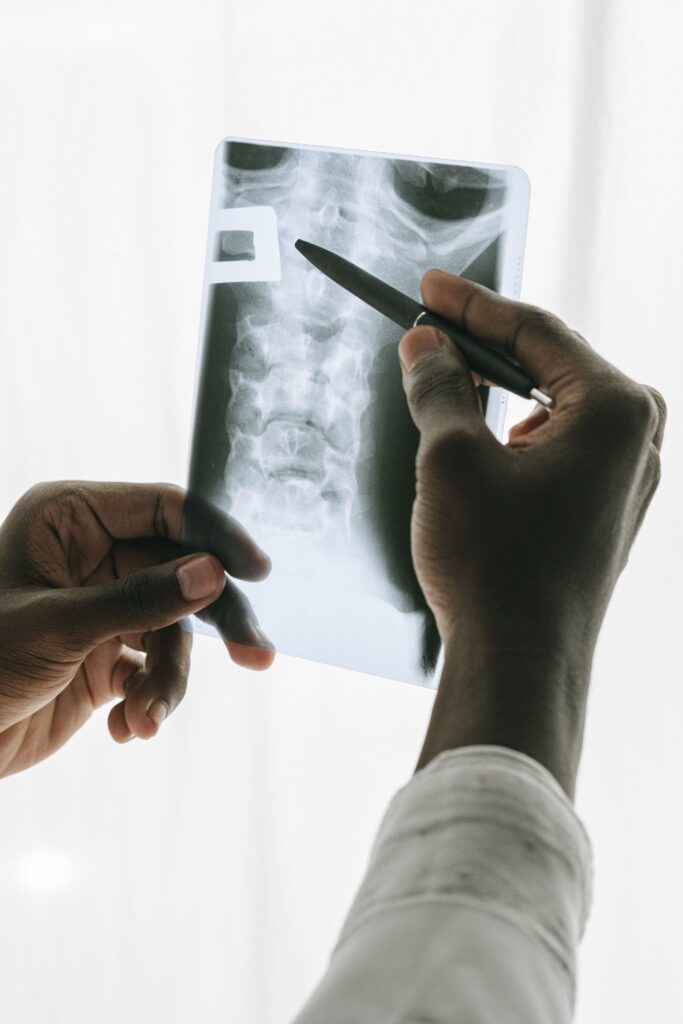
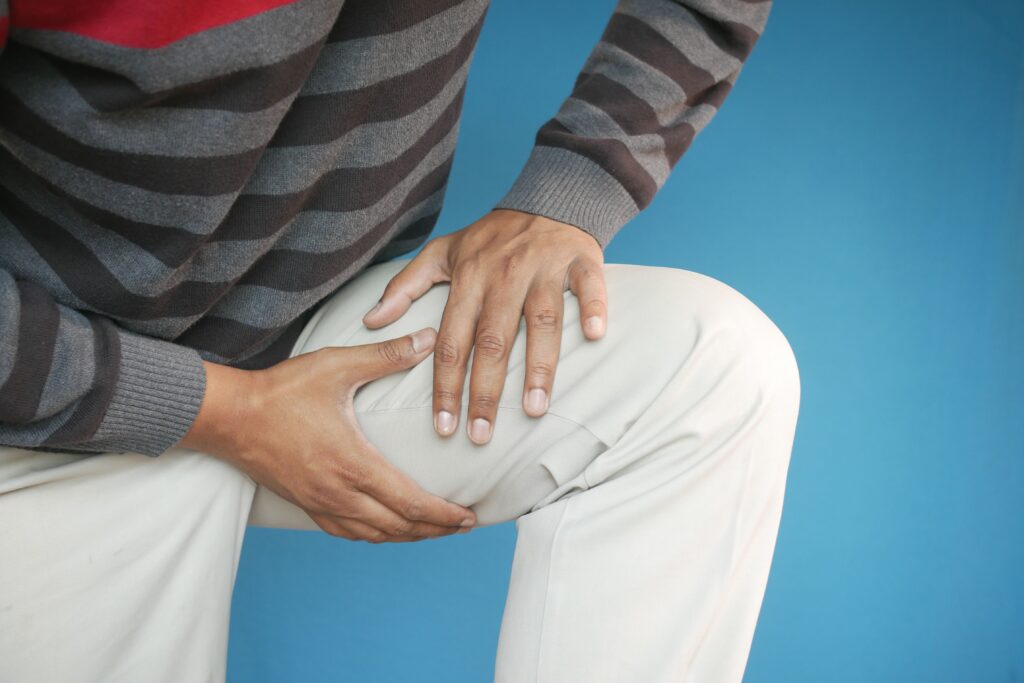
For many adults in Long Beach, an osteoporotic compression fracture can occur without a major fall or trauma. In a spine weakened by osteoporosis, simple daily movements like reaching for a shelf, sneezing, or lifting a grocery bag can cause a vertebra to collapse. Because these fractures can happen gradually, the symptoms are sometimes mistaken for general age-related back pain, making it vital to recognize the specific warning signs of a spinal fracture.
How can I tell if my back pain is a compression fracture?
The most common symptom of an osteoporotic compression fracture is sudden, localized back pain that worsens when standing or walking and feels significantly better when lying down. Unlike a typical muscle strain, this pain is often centered directly over the spine. Over time, as multiple vertebrae are affected, patients may notice a gradual loss of height or the development of a curved posture, often referred to as a “dowager’s hump” or kyphosis. If you experience sharp pain that radiates around the ribcage or have difficulty twisting your torso, these are strong indicators that a vertebral collapse has occurred.
Early diagnosis is key to preventing further spinal deformity. When a vertebra collapses, it changes the alignment of the spine, which puts increased pressure on the surrounding bones and increases the risk of “linked” fractures. Dr. Amandeep Bhalla specializes in diagnosing these fractures through advanced imaging and providing personalized treatment plans that focus on stabilizing the spine and managing pain quickly. By addressing the fracture early, we can often stop the cycle of progressive height loss and restore your ability to move comfortably.
Visit Our Long Beach Office: 3610 Long Beach Blvd, Suite 202, Long Beach, CA 90807