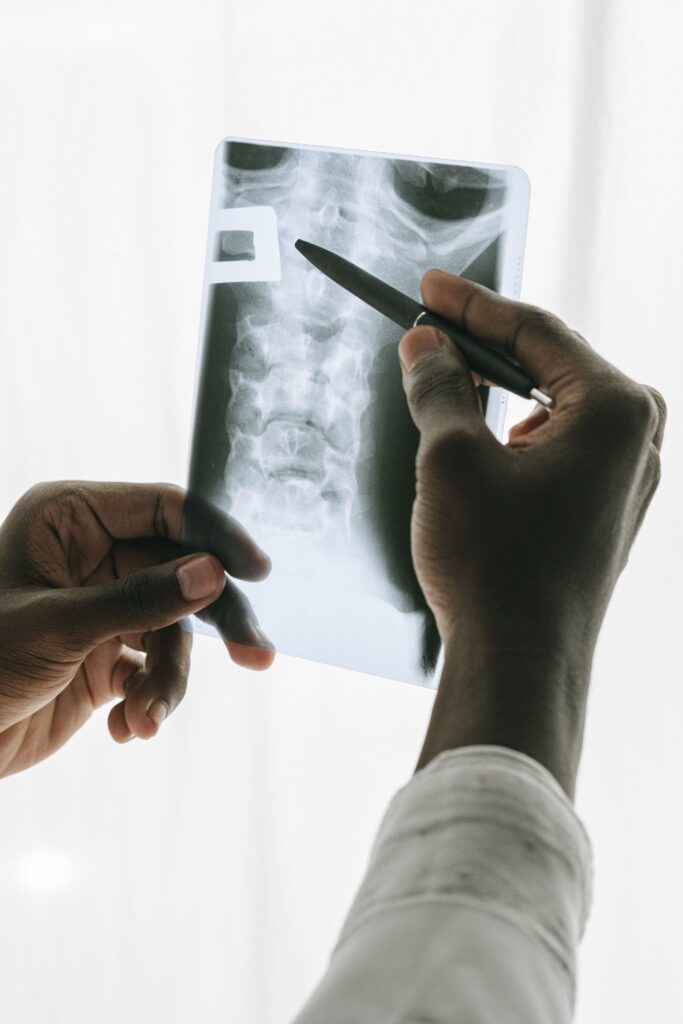
When a patient is diagnosed with an osteoporotic compression fracture, the first question is often whether surgery is a necessity. The answer depends largely on the severity of the collapse and the level of pain the patient is experiencing. In many cases, conservative, non-surgical management is the first line of defense, but it requires a structured approach to ensure the bone heals correctly without leading to long-term postural issues.
What are the non-surgical treatment options for a compression fracture?
Most osteoporotic compression fractures can heal without surgery through a combination of bracing, activity modification, and medical management. A specialized back brace is often used to limit motion at the fracture site, allowing the bone to stabilize. This is paired with a short period of rest and a transition into physical therapy to strengthen the supporting core muscles. Additionally, treating the underlying osteoporosis with calcium, Vitamin D, and bone-strengthening medications is essential to prevent future fractures. However, if the pain remains debilitating after a few weeks of conservative care, or if the fracture is causing a significant forward hunch, minimally invasive procedures like kyphoplasty may be recommended to restore bone height.
Dr. Amandeep Bhalla focuses on a patient-centered approach, ensuring that surgery is only considered when non-surgical methods do not provide adequate relief or stability. For patients in the Long Beach area, our goal is to achieve long-term relief and improved function. Whether through conservative bracing or advanced minimally invasive techniques, we work to stabilize the spine and address the underlying bone density issues that caused the fracture in the first place, helping you return to your quality of life with confidence.
Schedule a Consultation: 3610 Long Beach Blvd, Suite 202, Long Beach, CA 90807