
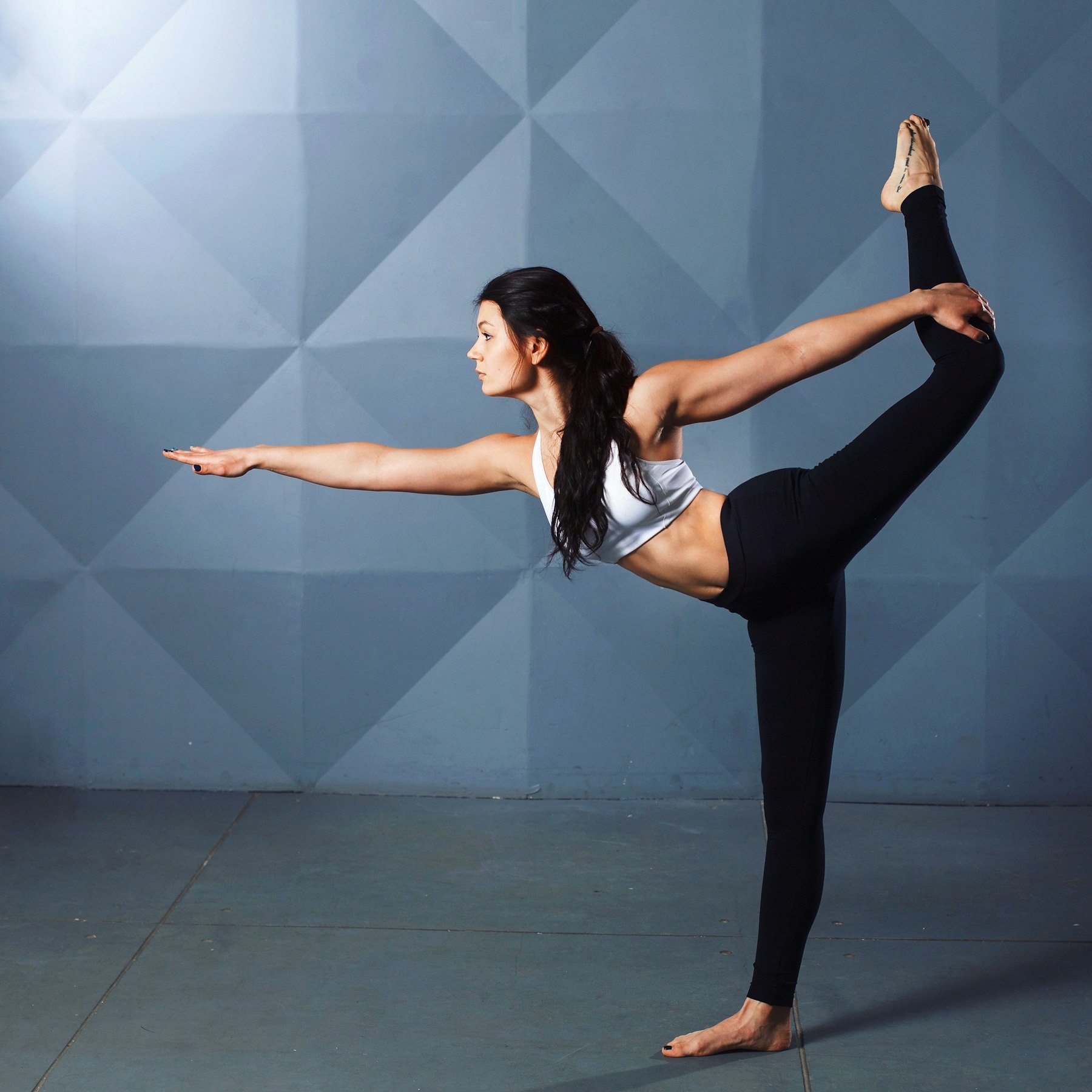
Spinal deformities · Long Beach, CA
Scoliosis in Long Beach, CA
Scoliosis is a sideways curve of the spine. Most curves are small, cause no pain and need nothing more than watching. Larger curves, and curves in adults, deserve an expert plan.
Scoliosis care in Long Beach, with patients welcome from across South Bay, Orange County and the greater Los Angeles area.
Overview
What is scoliosis?
Seen from behind, a healthy spine runs straight down the middle of the back. In scoliosis it curves to the side in a C or S shape and the vertebrae rotate, which is why one shoulder blade or one side of the rib cage can stand out. A curve is called scoliosis when it measures more than 10 degrees on an X ray.
Scoliosis comes in two main forms. Adolescent idiopathic scoliosis appears during the growth spurt, usually between ages 10 and 15, and has no known cause. Adult scoliosis is either a childhood curve that has carried on into adulthood or a new curve that develops in later life as the discs and joints wear unevenly. Adult curves are the ones more likely to cause pain, and they are a particular focus of Dr. Bhalla's practice.

Causes
Types and causes
Knowing which type of scoliosis you have shapes everything about how it is watched and treated.
Adolescent idiopathic
The most common form, appearing during growth with no known cause. Runs in families.
Adult degenerative
A new curve in later life as discs and facet joints wear unevenly, often with stenosis and leg pain.
Adult idiopathic
A curve from adolescence that continues into adulthood and may slowly progress.
Congenital
Vertebrae that formed abnormally before birth. Usually diagnosed in childhood.
Neuromuscular
Curves caused by conditions that affect muscle control, such as cerebral palsy or muscular dystrophy.
After surgery or injury
A fracture, infection or previous spine surgery can change the balance of the spine and lead to a curve.
Symptoms
What to look for
In teenagers scoliosis is usually painless and spotted by its shape. In adults, pain and nerve symptoms are more common than cosmetic change.
Common symptoms
- Uneven shoulders or one shoulder blade that sticks out
- An uneven waist, or one hip higher than the other
- A rib hump when bending forward
- Clothes that hang unevenly
- Low back pain and fatigue after standing, especially in adults
- Leg pain, numbness or trouble walking distances in adult curves
See a doctor right away if
- A curve that is visibly getting worse over months
- Shortness of breath with a large curve
- New weakness or numbness in the legs
- Loss of bladder or bowel control
These can be signs of a problem that needs urgent care. Call (562) 427-8119 or go to the nearest emergency room.
Diagnosis
How we assess it
The goal is to measure the curve accurately, judge whether it is likely to progress and understand how it affects your balance and nerves.
01/Listen
History and growth
When the curve was noticed, family history, and in teenagers how much growth is left.
02/Examine
Physical examination
The forward bend test, shoulder and pelvic level, overall balance and a neurological check.
03/Image
Standing full spine X rays
The curve is measured in degrees. Standing films show how the whole spine balances over the pelvis.
04/Plan
Watch, brace or treat
Dr. Bhalla explains the size of the curve, the chance it will progress and what, if anything, needs to be done now.
Treatment
How it is treated
Most curves never need surgery. Treatment depends on the size of the curve, how much growth is left and, in adults, how much pain and nerve pressure it causes.
First: without surgery
Where almost everyone starts
- Observation with repeat X rays for small curves
- Bracing during growth to stop a moderate curve progressing
- Scoliosis specific physical therapy and core strengthening
- Anti inflammatory medication for adult curves during flares
- Injections for nerve pain caused by stenosis within the curve
When needed: surgery
The least invasive option that will work
- Decompression alone for leg pain in a stable adult curve
- Fusion with rods and screws to correct and hold a large or progressing curve
- Minimally invasive and lateral approaches for selected adult curves
- Navigation and robotic guidance for precise screw placement

Everyday care
Living well with scoliosis
A curve does not have to limit your life. These habits protect your back whether or not you ever need treatment.
- 01Stay active. Sport and exercise do not make curves worse and keep the back strong.
- 02Build core and back strength with a program designed for your curve.
- 03Keep follow up X ray appointments during growth so changes are caught early.
- 04If a brace is prescribed, wear it for the hours recommended. Consistency is what works.
- 05Adults: manage weight and avoid smoking to slow disc wear within the curve.
- 06Tell your doctor about new pain, numbness or a change in balance.
Questions
Things patients ask about scoliosis.
If your question is not here, call the office. We are happy to talk it through.
Did my child do something to cause this?
No. Adolescent idiopathic scoliosis is not caused by posture, heavy backpacks, sport or anything a child or parent did. It has a genetic component and simply appears during growth.
Will the curve keep getting worse?
In teenagers, progression depends on the size of the curve and how much growth remains, which is why regular X rays matter. Small curves usually stop when growth stops. Adult degenerative curves can slowly progress, typically by a degree or two a year.
When is surgery recommended?
In adolescents, usually for curves beyond about 45 to 50 degrees that are still progressing. In adults, surgery is driven less by the number and more by pain, nerve symptoms and loss of balance that have not improved with other care.
Can adult scoliosis be treated without a big operation?
Often, yes. Many adults are helped by therapy, injections and, when nerve pain is the main problem, a smaller decompression. A full correction is reserved for curves that are causing real disability.
Near you
Scoliosis treatment in Long Beach, CA
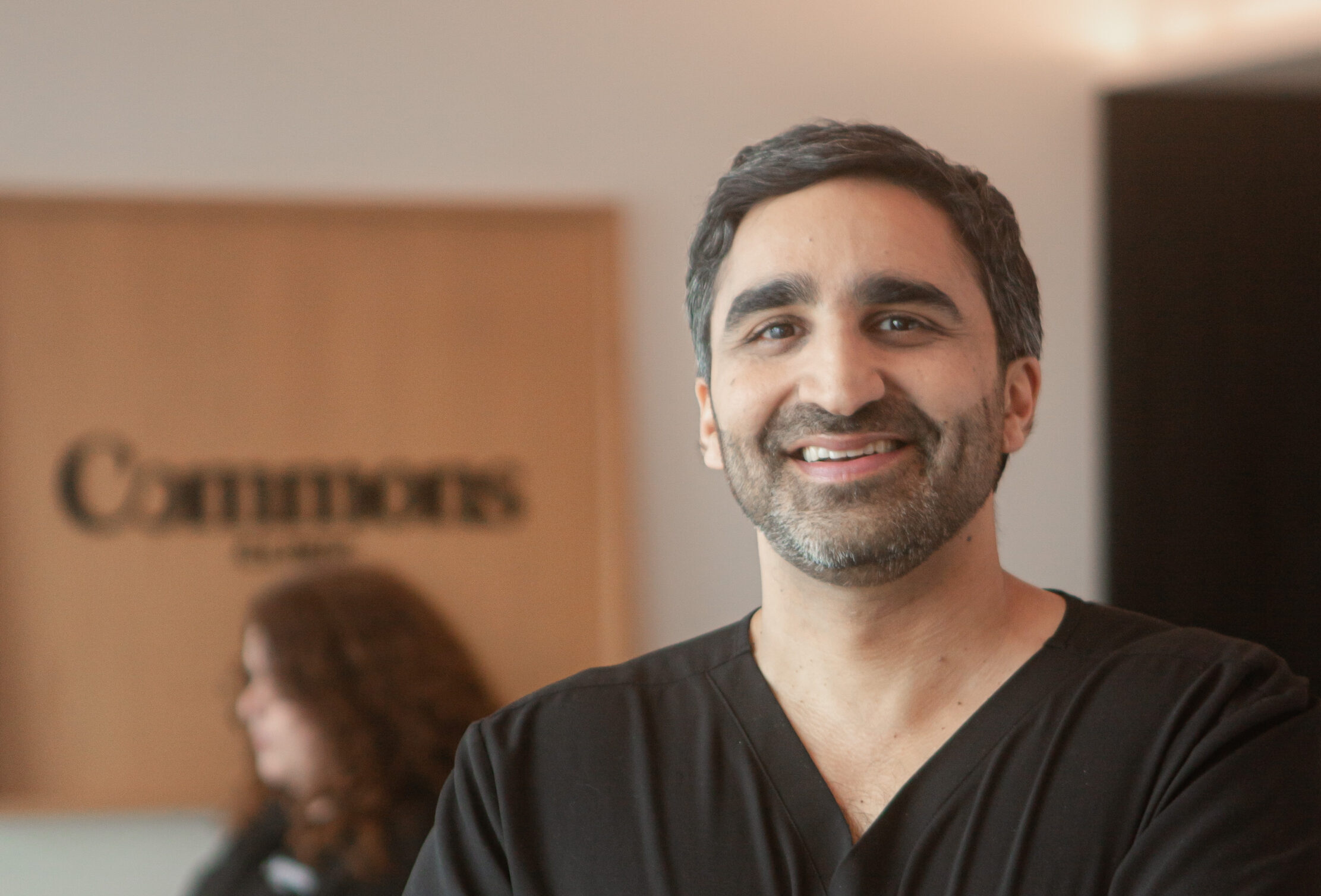
If you are living with scoliosis in Long Beach or a nearby city, Dr. Bhalla can examine you, explain your options and plan the least invasive treatment that will work. Dr. Bhalla leads the Spine Center at MemorialCare Long Beach Medical Center.
Most people start with a consultation and imaging. Patients come from Signal Hill, Lakewood, Seal Beach, Orange County and across Southern California.
Patients come to us from
- Long Beach
- Signal Hill
- Lakewood
- Seal Beach
- Los Alamitos
- Cypress
- Bellflower
- Torrance
- Huntington Beach
- Carson
Not on the list? We see patients from across Southern California.
In the news
Dr. Bhalla on this topic.
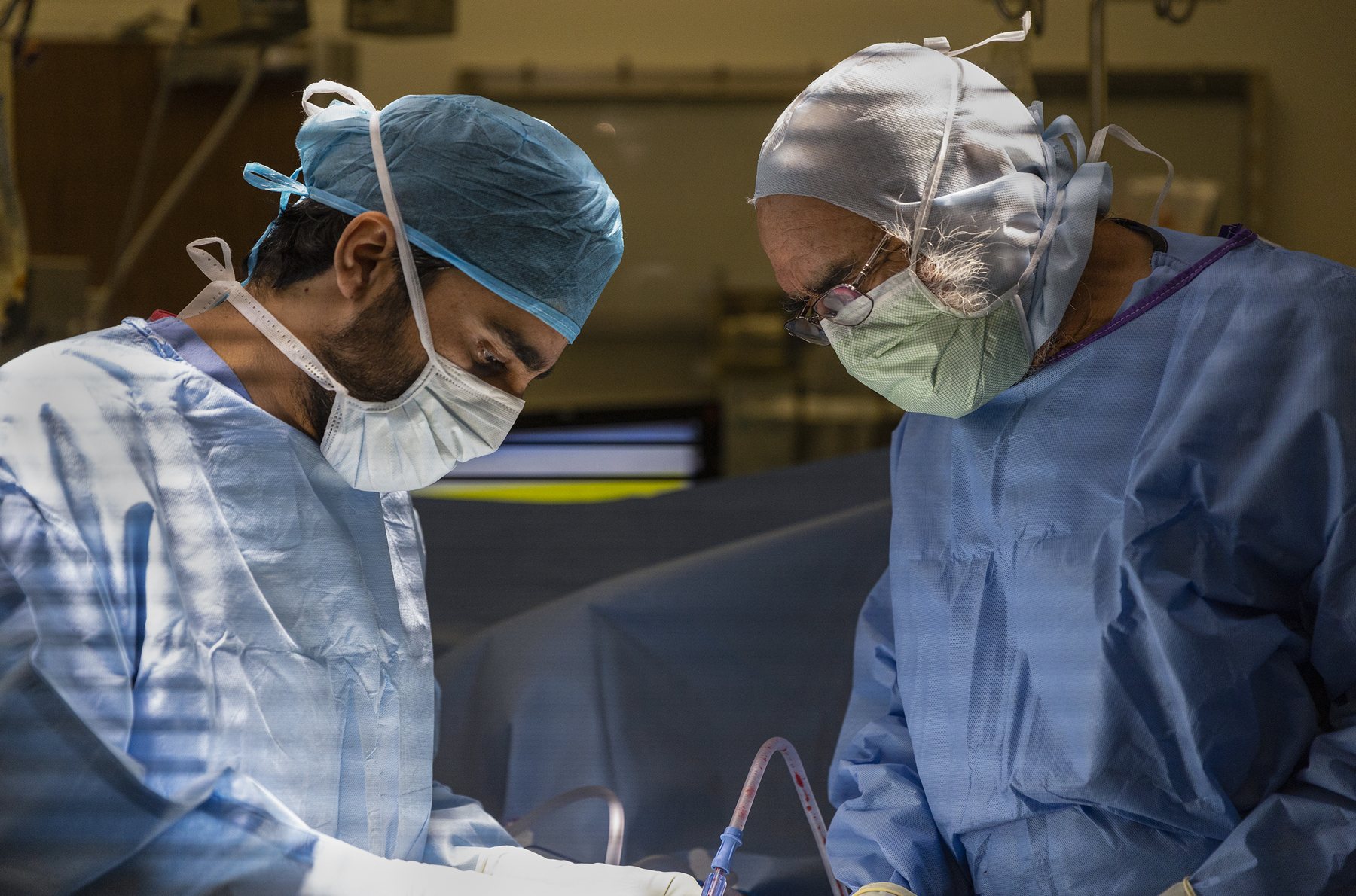
Long Beach Business Journal
A "surreal experience": Father and son surgical team repair spines in Long Beach
The Long Beach Business Journal spent a day in the operating room with Dr. Amandeep Bhalla and his father, Dr. Sarbpaul Bhalla.
May 18, 2022
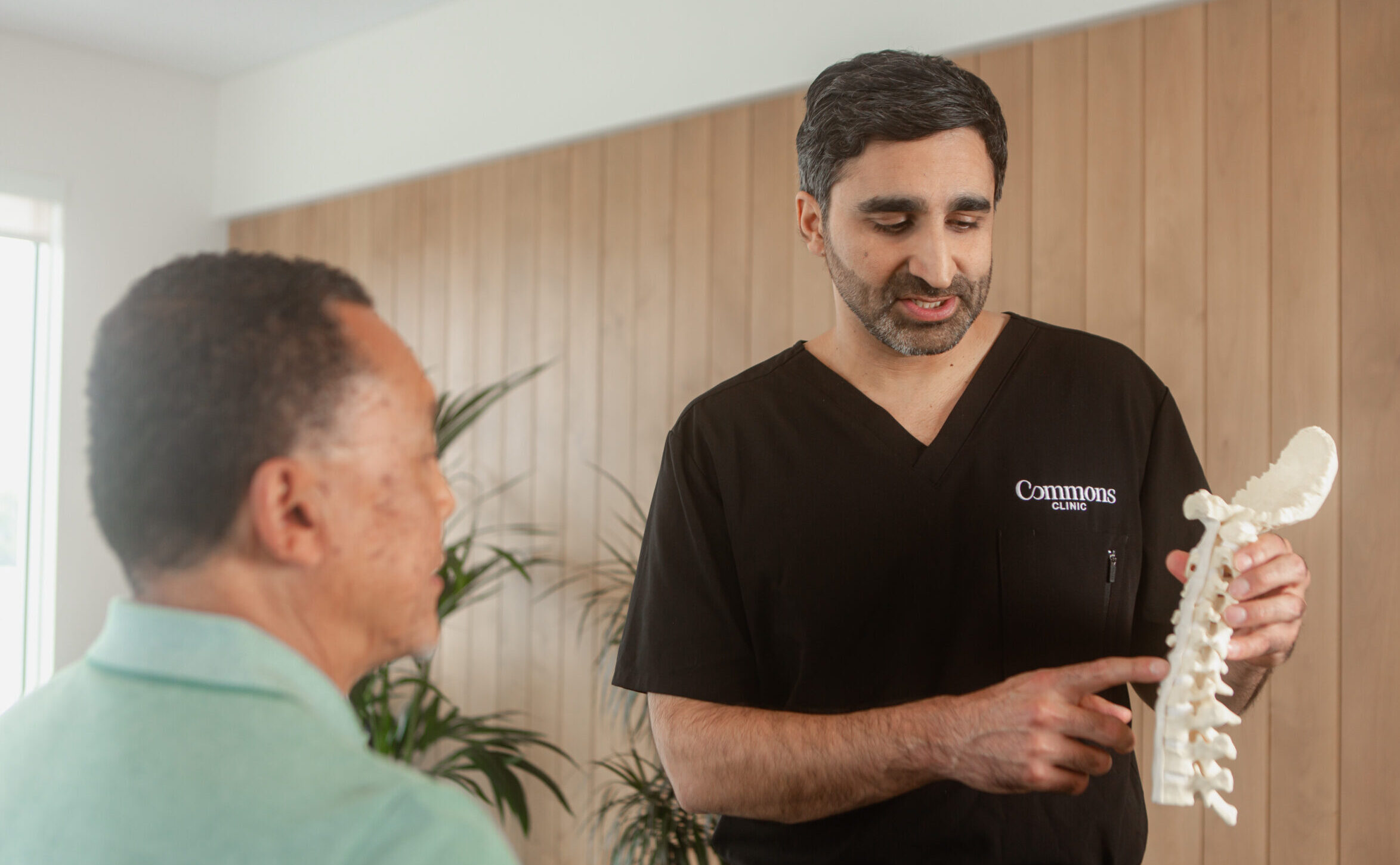
Los Angeles Business Journal
Los Angeles' Top Doctors: Amandeep Bhalla
The Los Angeles Business Journal profiled Dr. Bhalla as one of Los Angeles' Top Doctors, a recognition he received in both 2021 and 2022.
2021
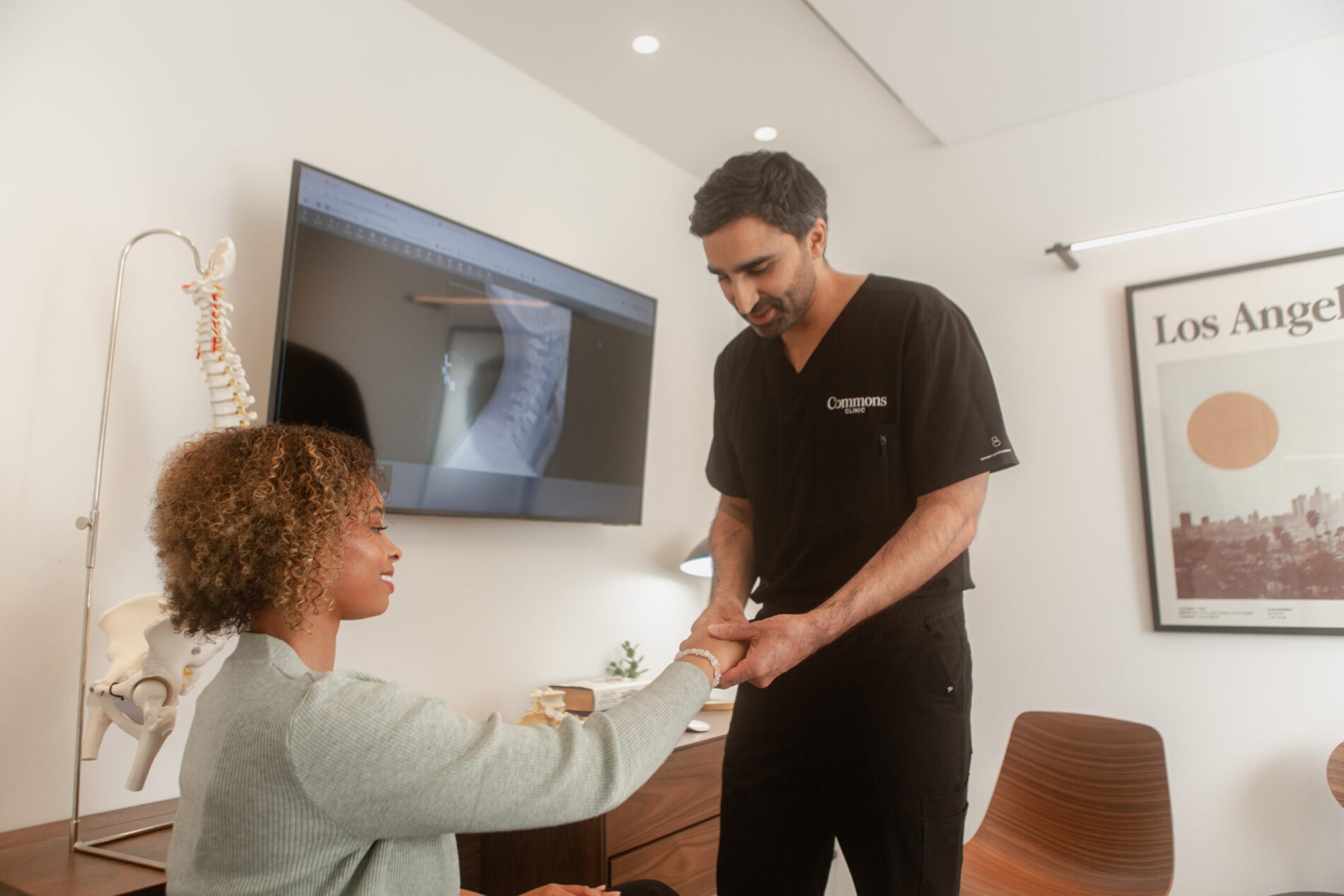
MemorialCare
Improving patient outcomes with image guided spine surgery
On MemorialCare's Daily Dose of Wellness podcast, Dr. Bhalla explains how real time 3D navigation and robotics make spine surgery more precise and recovery faster.
November 25, 2024
Los Angeles Business Journal
Leaders of Influence: Top Los Angeles Doctors
The Los Angeles Business Journal's Leaders of Influence series profiles Dr. Bhalla among the top doctors in Los Angeles, in the field of orthopedics.
2022
Related services
How we treat it.
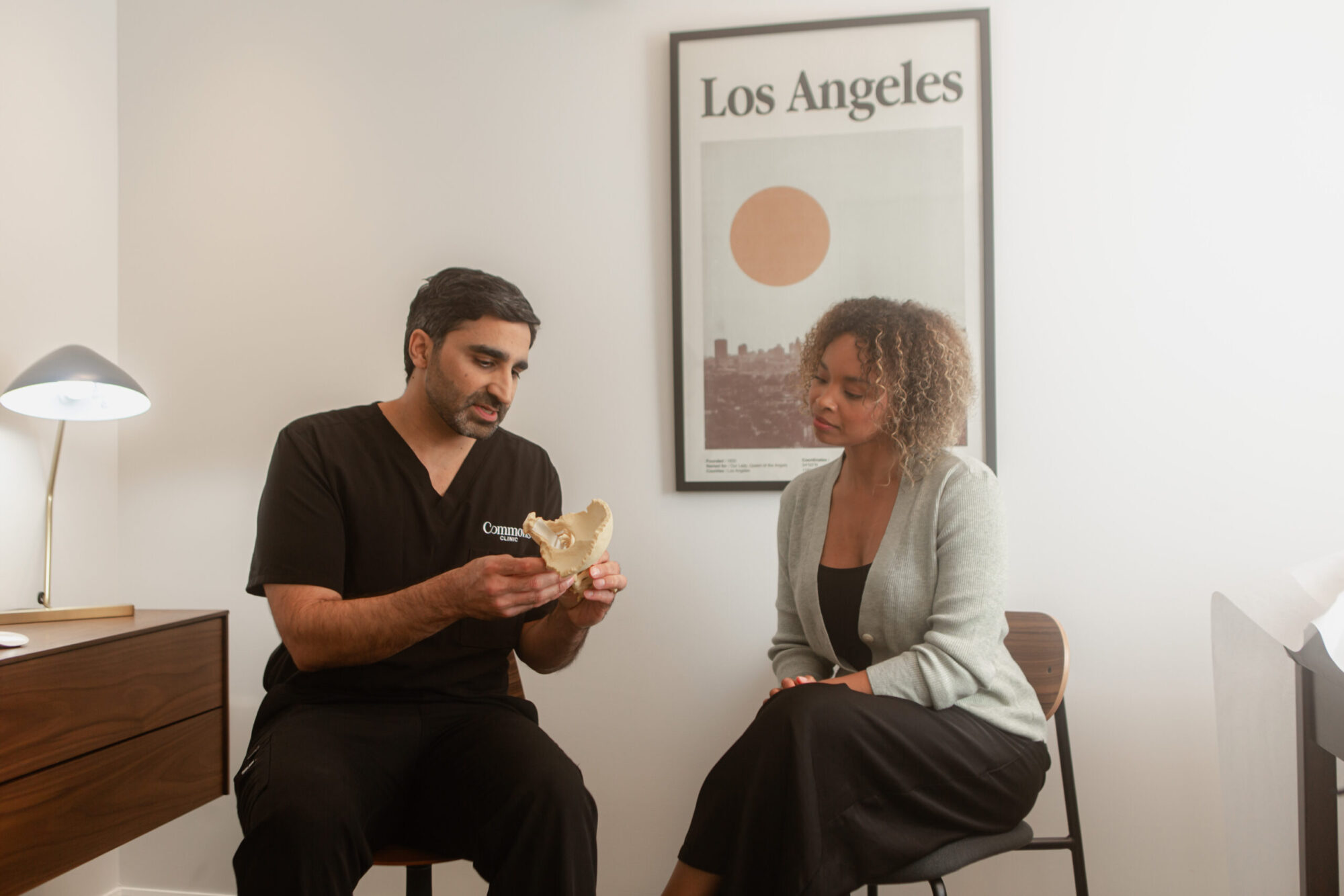
Non-Surgical Care
Evaluation, physical therapy, medication and targeted treatment first. Surgery only when it is truly the answer.
Learn more
Minimally Invasive Spinal Surgery
Small incisions, muscle-sparing tools and faster recovery for the neck and back.
Learn more
Revision Spinal Surgery
Expert care when a previous spine surgery has not delivered the result you hoped for.
Learn more