

Lumbar spine · Long Beach, CA
Lumbar trauma in Long Beach, CA
Injuries to the lower back range from strains that settle in days to fractures that need stabilization. A quick, accurate assessment is what separates them.
Lumbar trauma care in Long Beach, with patients welcome from across South Bay, Orange County and the greater Los Angeles area.
Overview
What is lumbar trauma?
Lumbar trauma is any injury to the bones, discs, ligaments or nerves of the lower back. Most are strains and sprains from lifting, twisting or a fall, which hurt but heal. More serious are compression and burst fractures of the vertebrae, injuries to the junction between the mid and lower back, and injuries that damage the nerves of the cauda equina.
Fractures of the lower back happen in two very different groups: younger adults in high energy accidents such as car crashes and falls from height, and older adults with osteoporosis who fracture with a simple fall or sometimes no clear injury at all. Dr. Bhalla treats both, from bracing and kyphoplasty for stable fractures to minimally invasive stabilization for unstable ones, as part of the trauma service at MemorialCare Long Beach Medical Center.
Causes
Common causes
The energy of the injury and the strength of the bone determine what is damaged.
Falls
From height in younger adults; from standing in older adults with weak bone.
Motor vehicle accidents
Sudden deceleration can fracture or dislocate the vertebrae, especially at the thoracolumbar junction.
Osteoporosis
Weakened vertebrae that compress with minimal force, sometimes just from bending or coughing.
Lifting and sport
Sudden loads that strain muscles and ligaments or, rarely, fracture the small bones at the back of the spine.
Workplace and crush injuries
Heavy objects, machinery and falls at work.
Pathological weakness
Bone weakened by tumor or infection that fractures with ordinary activity.
Symptoms
What to watch for
After a back injury, the pattern and severity of symptoms guide whether imaging is needed urgently.
Common symptoms
- Sudden severe low back pain after a fall, accident or lift
- Pain that is worse with movement and eases lying down
- Tenderness directly over the spine
- Muscle spasm and difficulty standing upright
- Pain wrapping around to the abdomen
- Loss of height or a new stoop in older adults
See a doctor right away if
- Numbness, tingling or weakness in the legs after an injury
- Difficulty passing urine or loss of bowel control
- Numbness around the groin or buttocks
- Severe back pain after a fall in someone over 65 or with osteoporosis
These can be signs of a problem that needs urgent care. Call (562) 427-8119 or go to the nearest emergency room.
Diagnosis
How we assess it
The priority is to identify fractures and any threat to the nerves, then classify the injury as stable or unstable.
01/Protect
Immobilize when in doubt
Until a serious injury is excluded, the spine is protected with a brace or log roll precautions.
02/Examine
Neurological examination
Strength, sensation and reflexes in the legs, and checks for bladder, bowel and groin sensation.
03/Image
X rays, CT and MRI
CT shows fractures in detail. MRI shows ligaments, discs and the nerves. A bone density scan follows any low energy fracture.
04/Plan
Stable or unstable
Dr. Bhalla classifies the injury and explains whether it can heal in a brace or needs stabilization.
Treatment
How it is treated
Most lumbar injuries, including many fractures, heal without surgery. Unstable injuries and those compressing the nerves are stabilized to protect the nerves and allow early mobility.
First: without surgery
Where almost everyone starts
- Short rest followed by early walking for strains and stable fractures
- A brace for comfort and support while a stable fracture heals
- Pain management and muscle relaxants
- Physical therapy to restore movement and strength once healing allows
- Osteoporosis treatment after any low energy fracture
When needed: surgery
The least invasive option that will work
- Kyphoplasty to stabilize a painful osteoporotic compression fracture
- Minimally invasive percutaneous screws and rods for unstable fractures
- Decompression when bone fragments press on the nerves
- Open fusion for complex or dislocated injuries

Everyday care
Recovering from a back injury
Healing takes weeks. These steps protect the injury while keeping you moving.
- 01Walk early and often, within the limits your care team sets.
- 02Wear the brace as prescribed, and ask when it is safe to reduce its use.
- 03Avoid bending, lifting and twisting until cleared, then build back gradually.
- 04Keep follow up imaging appointments to confirm the fracture is healing in position.
- 05Treat bone health seriously after a low energy fracture. The next one is preventable.
- 06Report any new leg symptoms or bladder changes immediately.
Questions
Things patients ask about lumbar trauma.
If your question is not here, call the office. We are happy to talk it through.
How do I know if I have a fracture or just a strain?
Strain pain is muscular, spreads across the low back and eases over days. Fracture pain is sharp, localized over the spine, severe with movement and often follows a fall or accident. Older adults can fracture with very little force, so pain after even a minor fall deserves an X ray.
Will a compression fracture heal on its own?
Most do, over six to twelve weeks, with a brace and pain control. If pain remains severe or the vertebra keeps collapsing, kyphoplasty, a minimally invasive cement procedure, can stabilize it and relieve pain quickly.
When is surgery needed?
When the fracture is unstable, when bone is pressing on the nerves, when there is a dislocation, or when a stable fracture fails to heal or remains intolerably painful.
Will I be able to return to my job or sport?
Most people return to full activity after a lumbar injury, including after surgery. The timeline depends on the injury and your work. Dr. Bhalla will give you a realistic plan and milestones.
Near you
Lumbar trauma treatment in Long Beach, CA
If you are living with lumbar trauma in Long Beach or a nearby city, Dr. Bhalla can examine you, explain your options and plan the least invasive treatment that will work. Dr. Bhalla leads the Spine Center at MemorialCare Long Beach Medical Center.
Most people start with a consultation and imaging. Patients come from Signal Hill, Lakewood, Seal Beach, Orange County and across Southern California.
Patients come to us from
- Long Beach
- Signal Hill
- Lakewood
- Seal Beach
- Los Alamitos
- Cypress
- Bellflower
- Torrance
- Huntington Beach
- Carson
Not on the list? We see patients from across Southern California.
Related services
How we treat it.
Non-Surgical Care
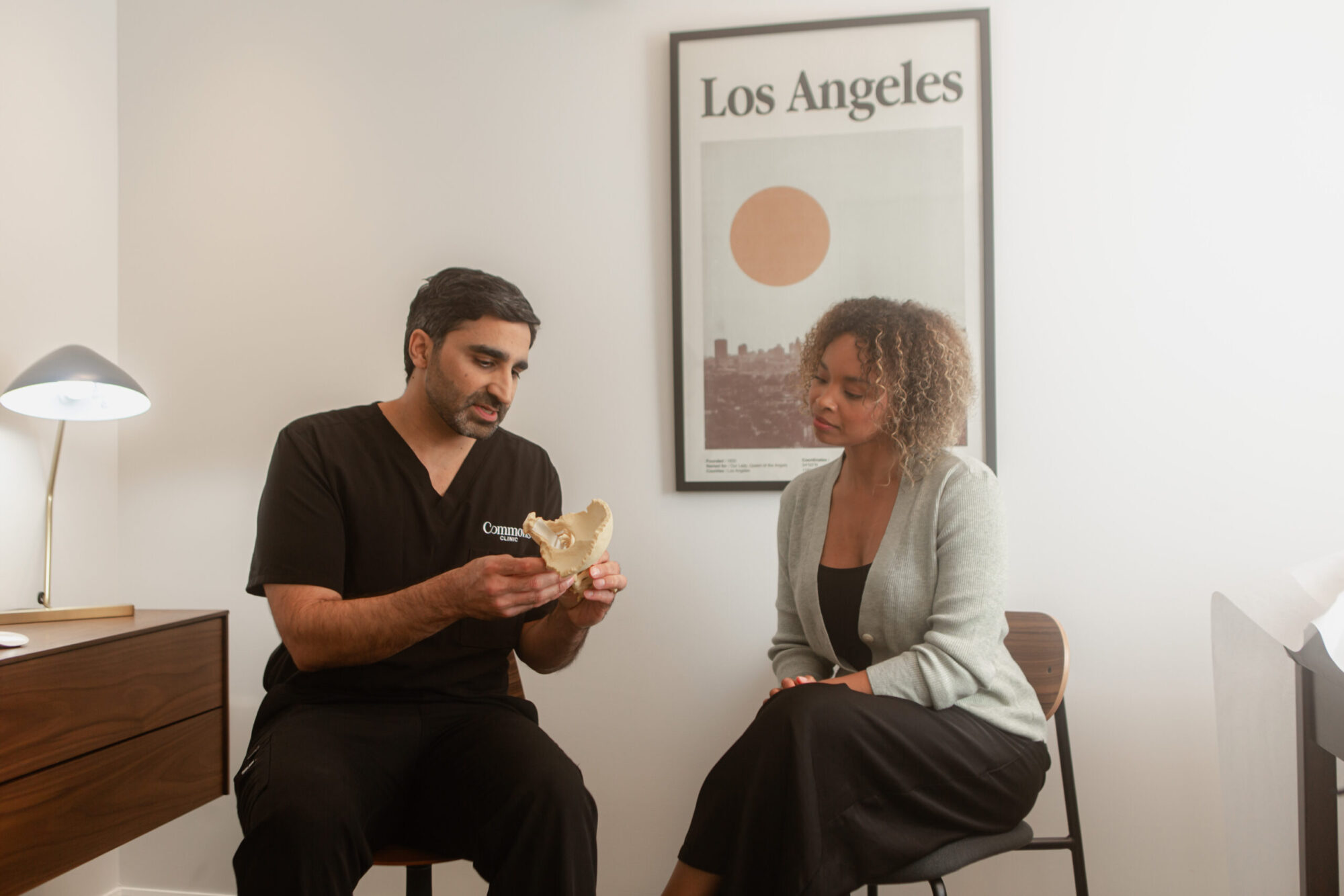
Evaluation, physical therapy, medication and targeted treatment first. Surgery only when it is truly the answer.
Learn more
Minimally Invasive Spinal Surgery
Small incisions, muscle-sparing tools and faster recovery for the neck and back.
Learn more
Outpatient Spinal Surgery
Spine procedures done in a day, with recovery at home the same evening.
Learn more