

Lumbar spine · Long Beach, CA
Lumbar herniated disc in Long Beach, CA
A herniated disc in the lower back is the most common cause of sciatica. Most heal on their own within a few months, and when they do not, a small outpatient procedure brings relief.
Lumbar herniated disc care in Long Beach, with patients welcome from across South Bay, Orange County and the greater Los Angeles area.
Overview
What is a lumbar herniated disc?
The discs of the lower back carry more load than any others in the spine. When the soft center of a disc pushes through a tear in its outer ring, it can press on the nerve root passing behind it. The result is sciatica: pain that travels from the buttock down the leg, often with tingling, numbness or weakness in the foot. The two lowest discs, L4-5 and L5-S1, are involved in the great majority of cases.
Herniations often follow a lift, a twist or simply bending to pick something up, though the disc was usually weakening for some time beforehand. The outlook is good. Most herniations shrink as the body reabsorbs the disc material, and about 90 percent of people improve within six to twelve weeks. For those who do not, microdiscectomy is a short, highly effective procedure.
Causes
Common causes
A disc herniates when the outer ring is weakened by wear and then overloaded.
Lifting and twisting
Bending and rotating under load is the classic trigger, especially with a rounded back.
Age related wear
Discs between 30 and 50 have lost some water but still have a soft center that can herniate.
Prolonged sitting
Sitting loads the lumbar discs more than standing and weakens the outer ring over time.
Sudden injury
Falls and accidents can rupture a disc in an instant.
Genetics
A family history of disc problems raises the risk.
Smoking and excess weight
Both reduce disc nutrition and increase the load on the lower back.
Symptoms
What it feels like
Leg symptoms are the signature of a herniated disc. Back pain may be present but is often the lesser complaint.
Common symptoms
- Sharp, shooting or burning pain from the buttock down the back or side of the leg
- Tingling or numbness in the leg, foot or toes
- Weakness lifting the foot or pushing off the toes
- Pain that is worse with sitting, bending forward, coughing or sneezing
- Relief when standing or lying down
- Low back pain and muscle spasm
See a doctor right away if
- Numbness around the groin or inner thighs
- Difficulty passing urine or loss of bowel control
- Weakness in both legs or rapidly worsening weakness
- Severe pain that does not ease in any position
These can be signs of a problem that needs urgent care. Call (562) 427-8119 or go to the nearest emergency room.
Diagnosis
How we find it
The history and examination usually identify the level. An MRI confirms the herniation and how it relates to the nerve.
01/Listen
Where the pain goes
The path of leg pain and the area of numbness point to the nerve root involved.
02/Examine
Nerve tension and strength
Straight leg raise, reflexes, sensation and strength of specific muscles confirm which root is affected.
03/Image
MRI when it will change the plan
Ordered for persistent symptoms, weakness or when a procedure is being considered.
04/Plan
Treat the person, not the scan
Many people have herniations on MRI without symptoms. Dr. Bhalla treats the one that matches your pain.
Treatment
How it is treated
Conservative care works for most people. Surgery is for severe or persistent leg pain, progressive weakness, or the rare emergency of cauda equina syndrome.
First: without surgery
Where almost everyone starts
- Staying active with walking rather than bed rest
- Physical therapy with extension exercises and nerve gliding
- Anti inflammatory medication or a short oral steroid course
- Medication for nerve pain
- Image guided epidural steroid injection for stubborn leg pain
When needed: surgery
The least invasive option that will work
- Microdiscectomy through a small incision, usually outpatient
- Endoscopic discectomy for suitable herniations
- Lumbar disc replacement or fusion only for recurrent herniations with disc collapse
- Urgent decompression for cauda equina syndrome

Everyday care
Helping the disc settle
The disc heals on its own time, but these habits reduce pressure on the nerve and prevent the next one.
- 01Walk daily. It is the best treatment while the disc shrinks.
- 02Limit sitting to 20 to 30 minutes at a time during a flare.
- 03Lift with your legs, keep the load close and never twist under load.
- 04Build core and hip strength once the leg pain eases.
- 05Sleep on your side with a pillow between your knees or on your back with knees supported.
- 06Keep a healthy weight and stop smoking to protect the discs.
Questions
Things patients ask about lumbar herniated disc.
If your question is not here, call the office. We are happy to talk it through.
Will my herniated disc heal on its own?
Usually, yes. The body breaks down and absorbs the herniated material over weeks to months, and the nerve recovers. About nine in ten people improve without surgery.
When should I consider surgery?
When leg pain remains severe after six to twelve weeks of good conservative care, when weakness is progressing, or immediately for any bladder or bowel symptoms. Earlier surgery is also reasonable for people who cannot work or function because of the pain.
What is microdiscectomy like?
A one inch incision, a microscope and removal of just the piece of disc pressing on the nerve. It takes under an hour, most patients go home the same day, and leg pain is often gone when they wake up.
Can the disc herniate again?
Recurrence happens in roughly five to ten percent of cases, most often in the first few months. Avoiding heavy lifting and bending early on, and building core strength, reduces the risk.
Near you
Lumbar herniated disc treatment in Long Beach, CA
If you are living with lumbar herniated disc in Long Beach or a nearby city, Dr. Bhalla can examine you, explain your options and plan the least invasive treatment that will work. Dr. Bhalla leads the Spine Center at MemorialCare Long Beach Medical Center.
Most people start with a consultation and imaging. Patients come from Signal Hill, Lakewood, Seal Beach, Orange County and across Southern California.
Patients come to us from
- Long Beach
- Signal Hill
- Lakewood
- Seal Beach
- Los Alamitos
- Cypress
- Bellflower
- Torrance
- Huntington Beach
- Carson
Not on the list? We see patients from across Southern California.
In the news
Dr. Bhalla on this topic.
Long Beach Post
Working to avoid spine injury
Writing for the Long Beach Post, Dr. Bhalla explains why back pain costs American workers 264 million days a year and what to do about it.
April 26, 2019
Press-Telegram
Father and son surgeons team up to provide high tech spinal care in Long Beach
The Press-Telegram reported on Dr. Amandeep Bhalla and his father, Dr. Sarbpaul Bhalla, bringing robotic spine surgery to Long Beach Medical Center.
October 21, 2020
MemorialCare
MemorialCare: Dr. Bhalla named one of Newsweek's 150 best spine surgeons in the nation
MemorialCare Long Beach Medical Center's announcement of Dr. Bhalla's place on Newsweek's America's Best Spine Surgeons 2024 list.
June 19, 2024
Related services
How we treat it.
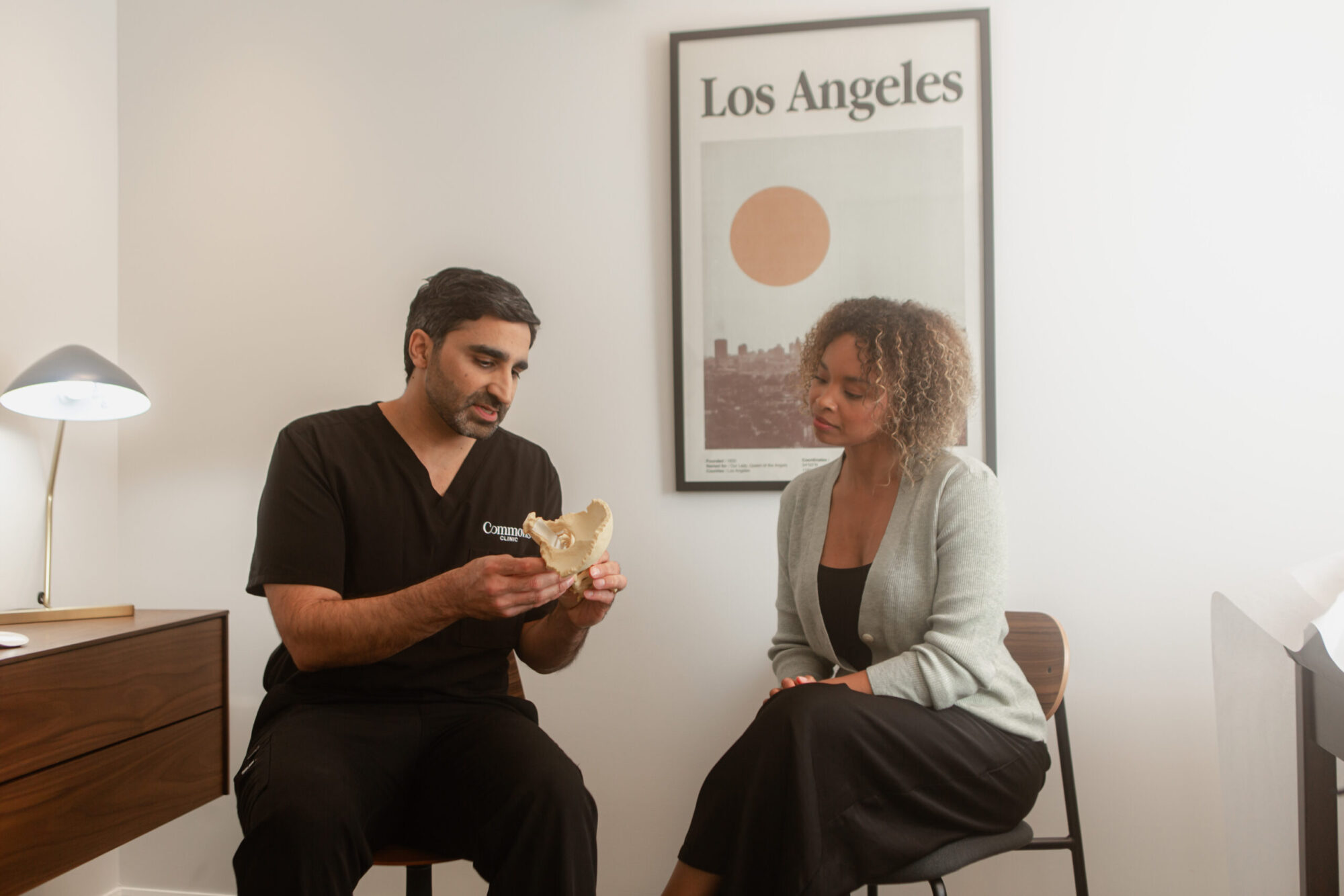
Non-Surgical Care
Evaluation, physical therapy, medication and targeted treatment first. Surgery only when it is truly the answer.
Learn more
Minimally Invasive Spinal Surgery
Small incisions, muscle-sparing tools and faster recovery for the neck and back.
Learn more
Outpatient Spinal Surgery
Spine procedures done in a day, with recovery at home the same evening.
Learn more