
Spinal deformities · Long Beach, CA
Kyphosis in Long Beach, CA
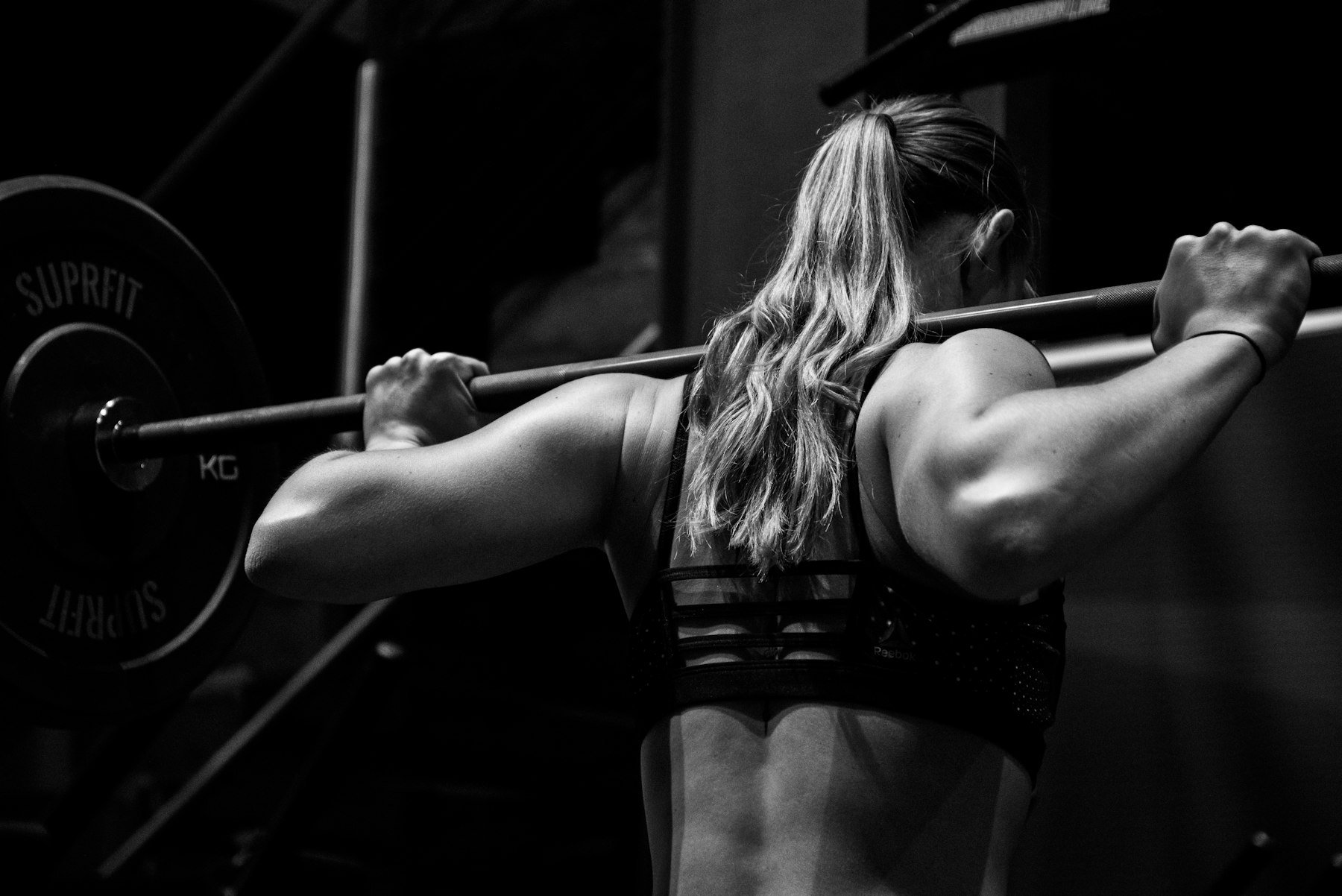
Everyone has a gentle forward curve in the upper back. Kyphosis is when that curve becomes exaggerated, producing a rounded back that can cause pain, stiffness and, in severe cases, trouble standing upright.
Kyphosis care in Long Beach, with patients welcome from across South Bay, Orange County and the greater Los Angeles area.
Overview
What is kyphosis?
The thoracic spine, the part behind the rib cage, normally curves forward by 20 to 45 degrees. Kyphosis means that curve is larger than normal. Mild kyphosis is simply a posture, and many people have it without any symptoms. As the curve increases, the muscles of the back have to work harder to hold the head up, which leads to fatigue and pain, and in the most severe cases the chest can be compressed.
Kyphosis has several causes. In teenagers the most common structural form is Scheuermann's kyphosis, where the front of several vertebrae grows more slowly than the back. In adults the usual causes are osteoporotic compression fractures, disc wear and the long term effects of previous spine surgery. Dr. Bhalla's aim is to find the cause, protect the spinal cord and restore a balanced, upright posture with the least invasive treatment that will achieve it.

Causes
Common causes
The forward curve can come from the shape of the bones, the strength of the bones or the way the spine has been loaded over time.
Postural kyphosis
A flexible round back from slouching, most common in teenagers and desk workers. Corrects when you stand tall.
Scheuermann's kyphosis
Wedge shaped vertebrae that develop during adolescent growth, producing a rigid curve.
Osteoporotic fractures
Weakened vertebrae collapse at the front, each fracture adding to the forward bend.
Degenerative changes
Discs lose height at the front more than the back, slowly tipping the spine forward.
After spine surgery
A fusion that heals in a flat or flexed position, or wear above a fusion, can create or worsen kyphosis.
Congenital and other causes
Vertebrae that formed abnormally, infection, tumor or inflammatory arthritis such as ankylosing spondylitis.
Symptoms
What it feels like
Symptoms depend on the size and stiffness of the curve and how much the rest of the spine can compensate.
Common symptoms
- A visibly rounded upper back or a hump
- Back pain and stiffness, often worse later in the day
- Fatigue in the back and neck muscles from holding the head up
- Tight hamstrings and difficulty standing fully upright
- The head drifting forward of the body
- In severe curves, shortness of breath or early fullness when eating
See a doctor right away if
- Sudden new back pain in someone with osteoporosis
- Numbness, weakness or clumsiness in the legs
- Loss of bladder or bowel control
- A curve that is clearly increasing over months
These can be signs of a problem that needs urgent care. Call (562) 427-8119 or go to the nearest emergency room.
Diagnosis
How we assess it
We measure the curve, find out why it is there and check how it is affecting your balance, your nerves and your daily life.
01/Listen
History
When the curve appeared, any fractures or previous surgery, bone health and how the pain behaves.
02/Examine
Physical examination
Whether the curve corrects when you lie down or stand tall, hamstring tightness, overall balance and a neurological check.
03/Image
Standing X rays, MRI if needed
Full length standing films measure the curve and your overall alignment. MRI shows the discs and spinal cord. A bone density scan checks for osteoporosis.
04/Plan
A plan matched to the cause
Posture, fracture, growth or wear each call for a different approach. Dr. Bhalla explains which applies to you.
Treatment
How it is treated
Most kyphosis is managed without surgery. Treatment targets the cause, strengthens the muscles that hold you upright and protects the bones.
First: without surgery
Where almost everyone starts
- Posture training and extension based physical therapy
- Strengthening the back extensors, core and hip muscles
- Bracing for Scheuermann's kyphosis during growth
- Treating osteoporosis to prevent further fractures
- Pain management and short courses of anti inflammatory medication
When needed: surgery
The least invasive option that will work
- Kyphoplasty to stabilize a painful osteoporotic fracture
- Decompression if the spinal cord or nerves are compressed
- Fusion with correction for severe, rigid or progressing curves
- Osteotomy to realign the spine in selected adult cases

Everyday care
Standing taller every day
The muscles along your spine are the best brace you have. These habits keep them working for you.
- 01Practice extension: lie face down and gently lift your chest a few times a day.
- 02Strengthen the muscles between your shoulder blades with rows and band pulls.
- 03Set your screen at eye level and take a standing break every 30 to 45 minutes.
- 04Stretch tight hamstrings and hip flexors, which pull the pelvis and spine forward.
- 05Protect your bones with calcium, vitamin D, weight bearing exercise and no smoking.
- 06Sleep on a firm mattress with a pillow that does not push your head forward.
Questions
Things patients ask about kyphosis.
If your question is not here, call the office. We are happy to talk it through.
Is kyphosis the same as a dowager's hump?
A dowager's hump is an older name for kyphosis caused by osteoporotic compression fractures in the upper back. It is one type of kyphosis, and treating the osteoporosis is a key part of its care.
Can posture exercises fix my round back?
If the curve is flexible, meaning it corrects when you stand tall or lie down, exercise and posture training can make a real difference. A rigid structural curve will not straighten with exercise, but strengthening still reduces pain and prevents it getting worse.
When is surgery needed?
Surgery is considered for curves that are severe or progressing, that compress the spinal cord, or that leave you unable to stand upright and look ahead despite thorough non surgical care. For a single painful fracture, a minimally invasive kyphoplasty is often enough.
My teenager slouches. Is that kyphosis?
Usually it is postural kyphosis, which is flexible and harmless. If the round back does not correct when they stand tall, or there is pain, an examination and X ray can tell postural kyphosis apart from Scheuermann's, which may benefit from bracing during growth.
Near you
Kyphosis treatment in Long Beach, CA
If you are living with kyphosis in Long Beach or a nearby city, Dr. Bhalla can examine you, explain your options and plan the least invasive treatment that will work. Dr. Bhalla leads the Spine Center at MemorialCare Long Beach Medical Center.
Most people start with a consultation and imaging. Patients come from Signal Hill, Lakewood, Seal Beach, Orange County and across Southern California.
Patients come to us from
- Long Beach
- Signal Hill
- Lakewood
- Seal Beach
- Los Alamitos
- Cypress
- Bellflower
- Torrance
- Huntington Beach
- Carson
Not on the list? We see patients from across Southern California.
Related services
How we treat it.
Non-Surgical Care
Evaluation, physical therapy, medication and targeted treatment first. Surgery only when it is truly the answer.
Learn more
Minimally Invasive Spinal Surgery
Small incisions, muscle-sparing tools and faster recovery for the neck and back.
Learn more
Revision Spinal Surgery
Expert care when a previous spine surgery has not delivered the result you hoped for.
Learn more