

Spine conditions · Long Beach, CA
Degenerative disc disease in Long Beach, CA
Despite the name, degenerative disc disease is not really a disease. It is the natural wear of the cushions between your vertebrae, and for some people that wear becomes painful.
Degenerative disc disease care in Long Beach, with patients welcome from across South Bay, Orange County and the greater Los Angeles area.
Overview
What is degenerative disc disease?
Between each pair of vertebrae sits a disc: a tough outer ring around a soft, water rich center. Discs absorb shock and let the spine bend and twist. From our twenties onward they slowly lose water and height, and small tears can form in the outer ring. Almost everyone shows these changes on an MRI by middle age, and most people never feel them.
When a worn disc becomes a source of pain, we call it degenerative disc disease. The disc itself can ache, the extra movement can irritate the facet joints behind it, and lost height can narrow the openings where nerves leave the spine. It most often affects the lower back and the neck, and it tends to come and go in flares rather than getting steadily worse.

Causes
Why discs wear out
Aging is the main driver, but several things speed it up or make a worn disc more likely to hurt.
Age and drying
Discs lose water with time, becoming thinner and less able to absorb shock.
Small tears in the outer ring
Repeated bending and lifting can cause tiny tears that heal poorly and carry pain fibers.
Genetics
Disc wear runs in families. Some people simply inherit discs that age faster.
Smoking
Nicotine reduces blood flow to the discs and is one of the strongest avoidable risk factors.
Heavy or repetitive loading
Years of lifting, vibration or contact sport add up, especially with poor technique.
Past injury
A previous disc herniation or back injury can leave the disc weaker and more prone to wear.
Symptoms
What it feels like
Disc pain has a particular pattern. These are the signs that point toward the disc rather than a muscle or joint.
Common symptoms
- Low back or neck pain that comes and goes in flares
- Pain that is worse with sitting, bending or lifting
- Relief from walking, changing position or lying down
- Stiffness after rest, easing as you move
- Aching that spreads to the buttocks or shoulder blades
- Occasional tingling into an arm or leg if a nerve is irritated
See a doctor right away if
- Progressive weakness in a leg or arm
- Numbness around the groin or inner thighs
- Trouble controlling bladder or bowel
- Severe pain that does not ease in any position
These can be signs of a problem that needs urgent care. Call (562) 427-8119 or go to the nearest emergency room.
Diagnosis
How we find the cause
Because disc wear is so common, the goal is not to find a worn disc. It is to confirm that the worn disc is actually what is causing your pain.
01/Listen
Your pain pattern
When it flares, what positions help, how it affects your day. This tells us more than any single test.
02/Examine
Physical examination
Movement that reproduces the pain, strength, reflexes and sensation to rule nerve involvement in or out.
03/Image
X rays and MRI
X rays show disc height and alignment. An MRI shows the disc itself and any pressure on nerves.
04/Plan
Match findings to symptoms
Dr. Bhalla compares the imaging to your exam and only treats what is truly causing the pain.
Treatment
How it is treated
Most people manage degenerative disc disease without surgery. Flares usually settle, and strength and movement keep them further apart.
First: without surgery
Where almost everyone starts
- Physical therapy focused on core strength and hip mobility
- Staying active, with walking as the foundation
- Short courses of anti inflammatory medication during flares
- Posture and workstation changes for sitting heavy days
- Epidural or facet injections for stubborn flares
When needed: surgery
The least invasive option that will work
- Disc replacement to remove the painful disc and keep motion
- Decompression if a nerve is being pinched
- Fusion for a single painful level that has failed everything else
- Minimally invasive approaches whenever the anatomy allows

Everyday care
Keeping worn discs quiet
The habits that protect a worn disc are simple, and they work best when they become routine.
- 01Move every day. Discs get their nutrition from movement, not rest.
- 02Build your core and glutes so your muscles share the load with your discs.
- 03Break up sitting. Stand, walk or stretch every 30 to 45 minutes.
- 04If you smoke, stopping is the single best thing you can do for your discs.
- 05Keep a healthy weight to reduce the daily load on the lower back.
- 06Lift close to the body with a flat back, and avoid twisting under load.
Questions
Things patients ask about degenerative disc disease.
If your question is not here, call the office. We are happy to talk it through.
Is degenerative disc disease really a disease?
No. It is a description of normal wear in the discs, which nearly everyone develops with age. The term is used when that wear is causing pain. It is not progressive in the way a true disease is, and many people improve as the disc stiffens over time.
Will it keep getting worse?
Usually not in a straight line. Most people have flares that settle, with long stretches of little or no pain. As a disc stiffens with age it often becomes less painful, not more.
My MRI says I have disc degeneration at several levels. Do I need surgery?
Almost certainly not based on the MRI alone. Multi level wear is normal on imaging and is rarely treated surgically. Surgery is considered only for a specific level that clearly matches your symptoms and has not responded to conservative care.
Can disc replacement help me?
For the right patient, yes. Disc replacement removes a single painful disc and replaces it with an implant that keeps the spine moving. Dr. Bhalla will tell you plainly whether your disc, alignment and bone quality make you a good candidate.
Near you
Degenerative disc disease treatment in Long Beach, CA
If you are living with degenerative disc disease in Long Beach or a nearby city, Dr. Bhalla can examine you, explain your options and plan the least invasive treatment that will work. Dr. Bhalla leads the Spine Center at MemorialCare Long Beach Medical Center.
Most people start with a consultation and imaging. Patients come from Signal Hill, Lakewood, Seal Beach, Orange County and across Southern California.
Patients come to us from
- Long Beach
- Signal Hill
- Lakewood
- Seal Beach
- Los Alamitos
- Cypress
- Bellflower
- Torrance
- Huntington Beach
- Carson
Not on the list? We see patients from across Southern California.
In the news
Dr. Bhalla on this topic.
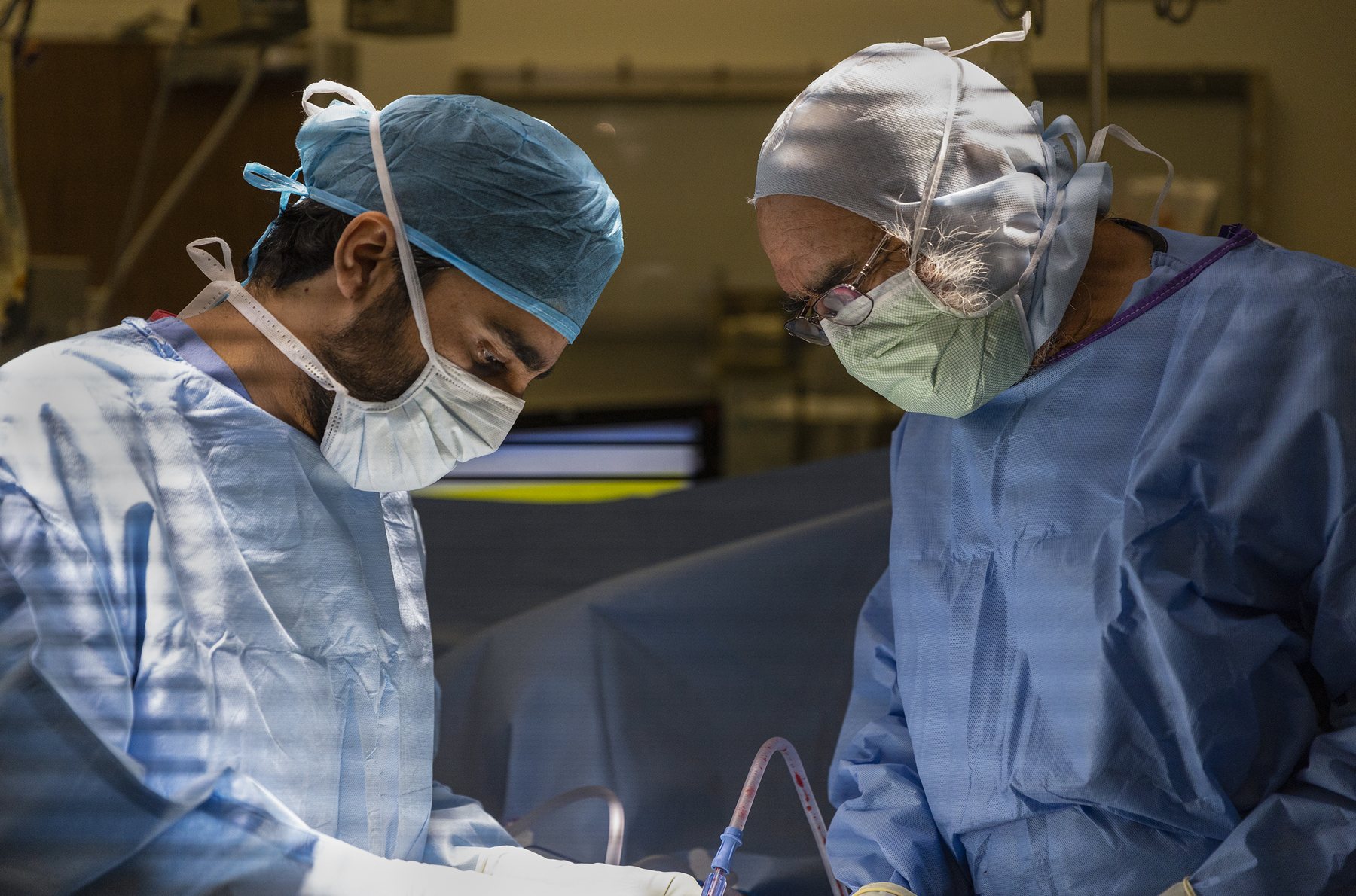
Long Beach Business Journal
A "surreal experience": Father and son surgical team repair spines in Long Beach
The Long Beach Business Journal spent a day in the operating room with Dr. Amandeep Bhalla and his father, Dr. Sarbpaul Bhalla.
May 18, 2022

Becker's Spine Review
Named one of the 150 best spine surgeons in America by Newsweek
Becker's Spine Review reported Newsweek's 2024 list of America's best spine surgeons. Dr. Bhalla is among the surgeons recognized.
June 12, 2024
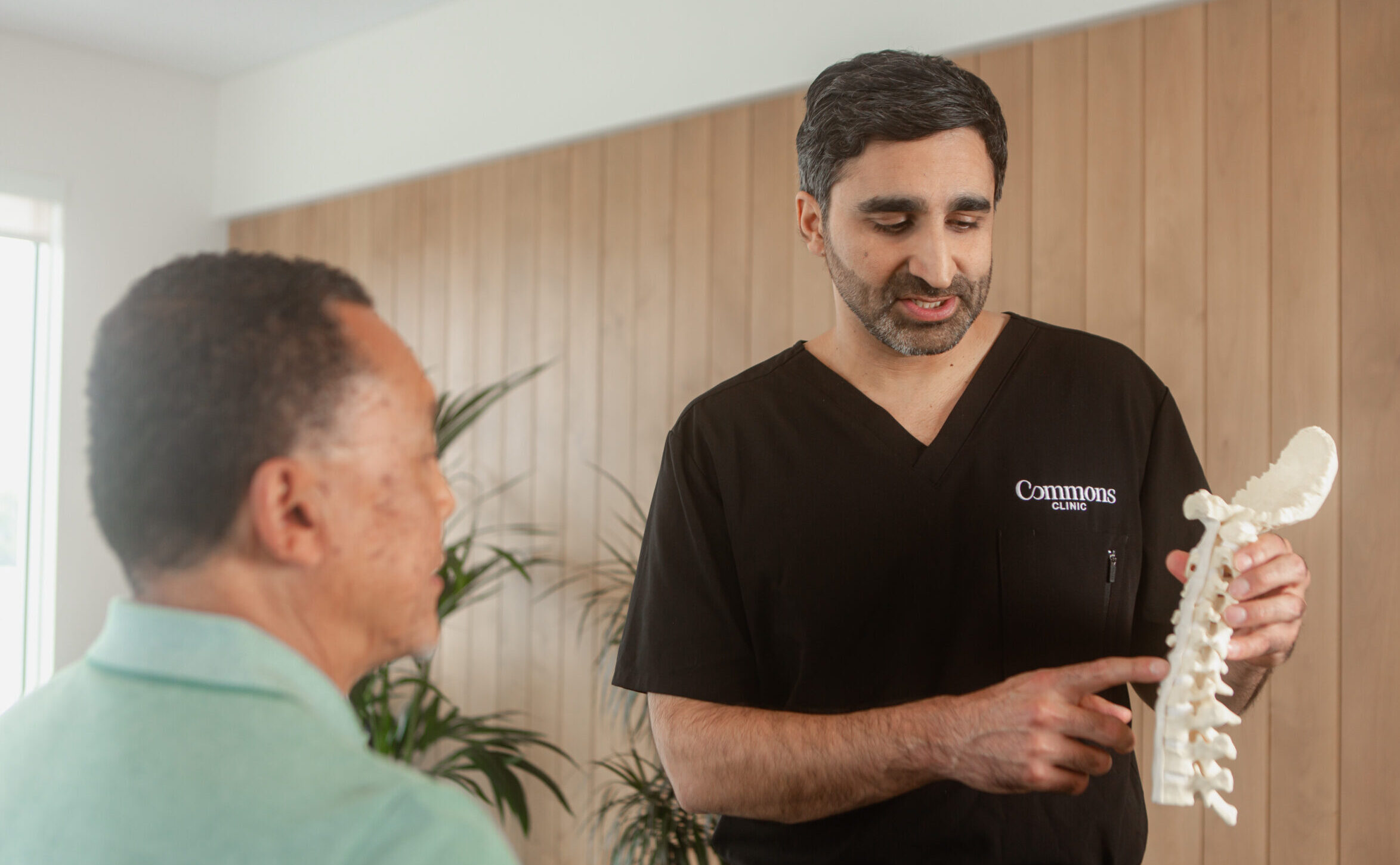
Los Angeles Business Journal
Los Angeles' Top Doctors: Amandeep Bhalla
The Los Angeles Business Journal profiled Dr. Bhalla as one of Los Angeles' Top Doctors, a recognition he received in both 2021 and 2022.
2021
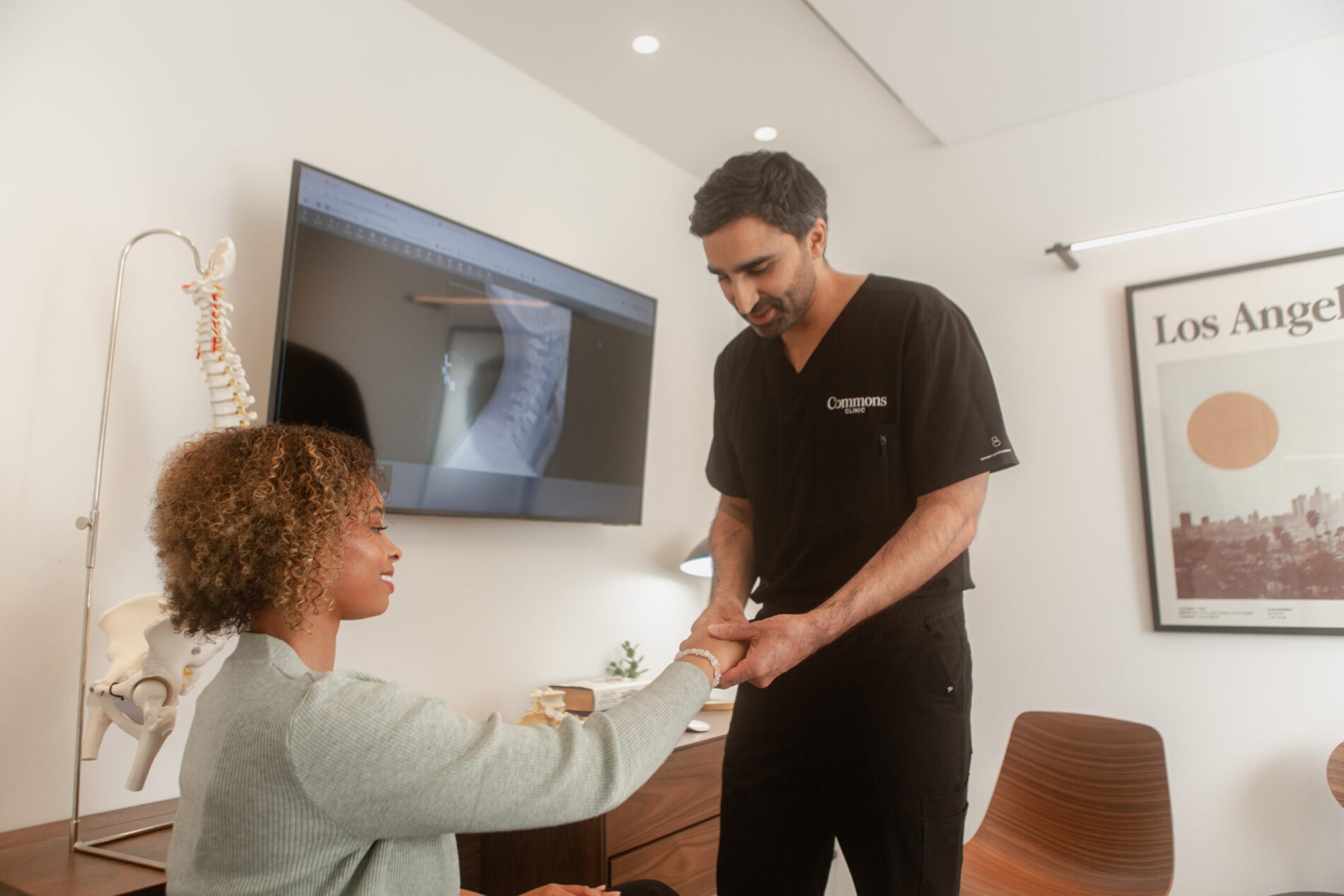
MemorialCare
Improving patient outcomes with image guided spine surgery
On MemorialCare's Daily Dose of Wellness podcast, Dr. Bhalla explains how real time 3D navigation and robotics make spine surgery more precise and recovery faster.
November 25, 2024
Related services
How we treat it.
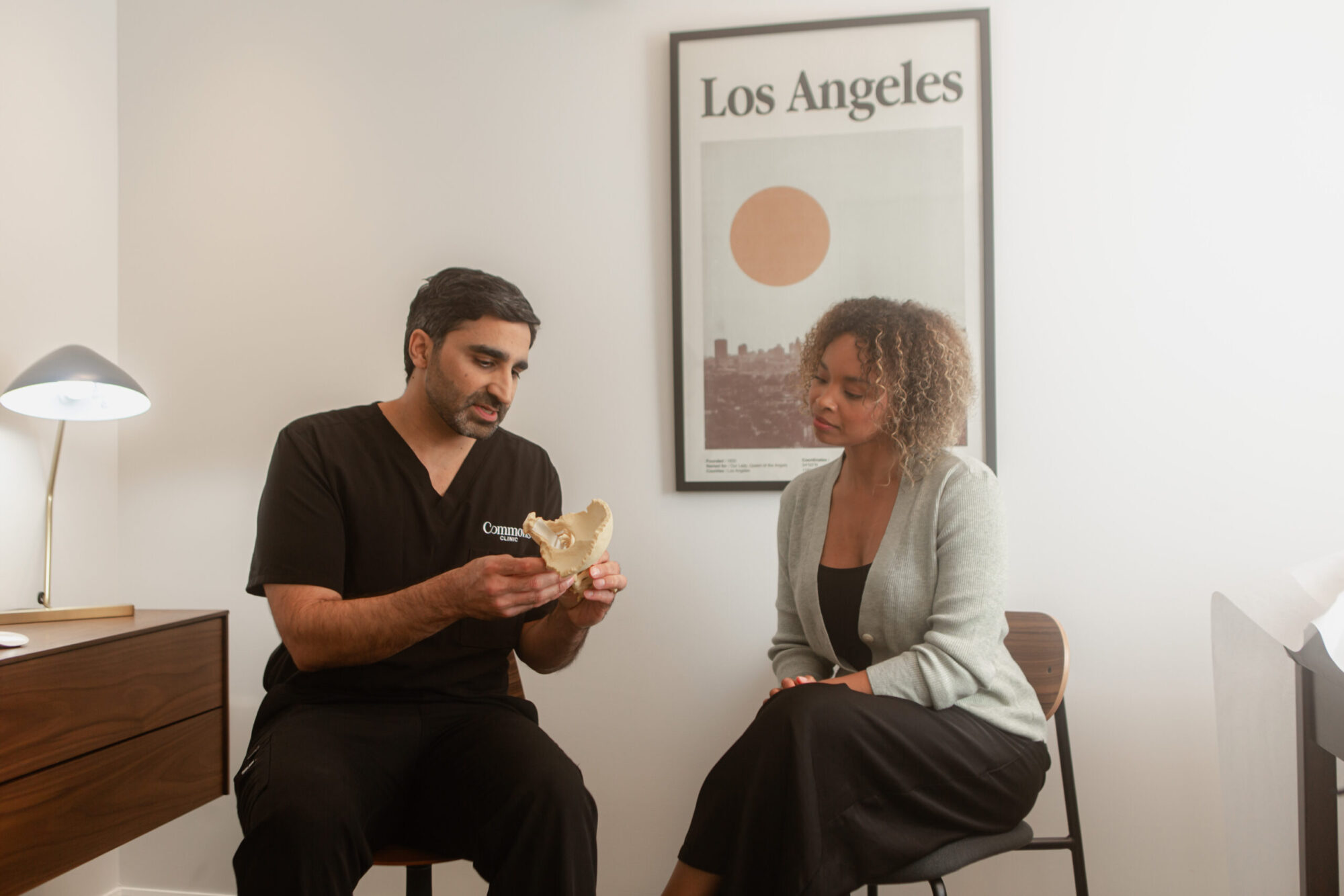
Non-Surgical Care
Evaluation, physical therapy, medication and targeted treatment first. Surgery only when it is truly the answer.
Learn more
Lumbar Disc Replacement
A motion preserving alternative to fusion for painful low back discs.
Learn more
Cervical Disc Replacement
Replace a worn neck disc with a moving implant instead of a fusion.
Learn more