

Spine conditions · Long Beach, CA
Chronic neck and back pain in Long Beach, CA
Pain that has lasted more than three months is no longer a simple injury. It is a condition of its own, and it deserves a clear diagnosis and a plan that goes beyond painkillers.
Chronic neck and back pain care in Long Beach, with patients welcome from across South Bay, Orange County and the greater Los Angeles area.
Overview
What is chronic neck and back pain?
Most neck and back pain settles within a few weeks. When it lasts longer than three months, or keeps coming back, it is called chronic. By then the original strain may have healed, but the discs, joints, nerves and muscles of the spine can stay irritated, and the nervous system itself can become more sensitive to pain.
Chronic pain is rarely caused by one thing. It is usually a mix of wear in the discs and facet joints, muscle weakness and tightness, posture, stress and sleep. That is why a quick fix seldom works, and why a careful diagnosis matters so much. Dr. Bhalla looks for the specific source of your pain before recommending any treatment, and surgery is only part of the plan when it is the right answer.

Causes
Common causes
The spine is a stack of bones, discs, joints and nerves that work together. Pain can come from any of them, and often from more than one at once.
Degenerative disc disease
Discs lose water and height with age. A worn disc can ache on its own and put extra load on the joints around it.
Facet joint arthritis
The small joints at the back of each vertebra wear like any other joint, causing stiffness and deep, localized pain.
Herniated discs and pinched nerves
A bulging disc or bone spur can press on a nerve root, sending pain, numbness or weakness into an arm or leg.
Spinal stenosis
Narrowing of the spinal canal squeezes the nerves, often causing pain or heaviness in the legs when walking.
Muscle weakness and posture
Weak core and neck muscles, long hours at a desk and poor sleep positions keep the spine under strain day after day.
Old injuries and previous surgery
A past accident, fracture or operation can change how the spine moves and leave lasting pain.
Symptoms
What it feels like
Chronic spine pain shows up in different ways for different people. These are the patterns we hear most often.
Common symptoms
- A dull, constant ache in the neck or lower back
- Stiffness that is worst in the morning or after sitting
- Pain that flares with bending, lifting or long periods standing
- Pain, tingling or numbness spreading into an arm or leg
- Headaches that start at the base of the skull
- Trouble sleeping or finding a comfortable position
See a doctor right away if
- New weakness in an arm or leg
- Numbness in the groin or inner thighs
- Loss of bladder or bowel control
- Pain with fever, unexplained weight loss or after a serious fall
These can be signs of a problem that needs urgent care. Call (562) 427-8119 or go to the nearest emergency room.
Diagnosis
How we find the cause
A good plan starts with an accurate diagnosis. Your first visit is a conversation, an examination and a careful look at your imaging, in that order.
01/Listen
Your story
Where the pain is, when it started, what makes it better or worse and what you have already tried.
02/Examine
Physical examination
Range of motion, strength, reflexes and sensation to tell a muscle or joint problem from a nerve problem.
03/Image
Imaging, when it helps
X rays show alignment and arthritis. An MRI shows discs and nerves. We only order what will change the plan.
04/Plan
A plan in plain language
Dr. Bhalla walks you through what the findings mean and the options, from therapy to the least invasive procedure that will work.
Treatment
How it is treated
Most people with chronic neck or back pain never need surgery. Treatment starts with the simplest options and only moves forward when those have had a fair chance to work.
First: without surgery
Where almost everyone starts
- Physical therapy to build strength and restore movement
- Activity changes, posture and ergonomic advice
- Anti inflammatory medication for short periods
- Targeted injections to calm an inflamed nerve or joint
- Radiofrequency ablation for facet joint pain
When needed: surgery
The least invasive option that will work
- Microdiscectomy for a herniated disc pressing on a nerve
- Decompression for spinal stenosis
- Disc replacement to relieve pain and keep motion
- Fusion for instability or deformity, when needed
- Minimally invasive and outpatient techniques whenever possible

Everyday care
Living well with a sensitive spine
Small daily habits make a real difference, whether or not you ever need a procedure. These are the ones Dr. Bhalla recommends to nearly every patient.
- 01Walk every day. Gentle, regular movement is the best medicine for most back pain.
- 02Strengthen your core and the muscles between your shoulder blades.
- 03Change position often. Set a reminder to stand up every 30 to 45 minutes.
- 04Sleep on your side or back with a pillow that keeps your neck level.
- 05Lift with your legs, keep the load close to your body and avoid twisting.
- 06Manage stress and sleep. Both turn the volume of pain up or down.
Questions
Things patients ask about chronic neck and back pain.
If your question is not here, call the office. We are happy to talk it through.
When should I see a spine specialist?
If pain has lasted more than six to eight weeks, keeps returning, spreads into an arm or leg, or is affecting your sleep and work, it is time for an evaluation. See a doctor right away for any of the warning signs listed above.
Does chronic pain mean I will need surgery?
No. The large majority of patients improve with therapy, activity changes and, when needed, injections. Surgery is recommended only when there is a clear structural cause that matches your symptoms and conservative care has not helped.
Will I need an MRI?
Not always. Many people with back pain have changes on an MRI that are normal for their age and not the cause of their pain. Dr. Bhalla orders imaging when the result will change your treatment, for example when nerve symptoms are present or a procedure is being considered.
Is it safe to exercise with back or neck pain?
In most cases, yes, and it is one of the most effective treatments. Start with walking and gentle stretching, then build strength with guidance from a physical therapist. Stop and get advice if exercise causes new numbness or weakness.
Near you
Chronic neck and back pain treatment in Long Beach, CA
If you are living with chronic neck and back pain in Long Beach or a nearby city, Dr. Bhalla can examine you, explain your options and plan the least invasive treatment that will work. Dr. Bhalla leads the Spine Center at MemorialCare Long Beach Medical Center.
Most people start with a consultation and imaging. Patients come from Signal Hill, Lakewood, Seal Beach, Orange County and across Southern California.
Patients come to us from
- Long Beach
- Signal Hill
- Lakewood
- Seal Beach
- Los Alamitos
- Cypress
- Bellflower
- Torrance
- Huntington Beach
- Carson
Not on the list? We see patients from across Southern California.
In the news
Dr. Bhalla on this topic.
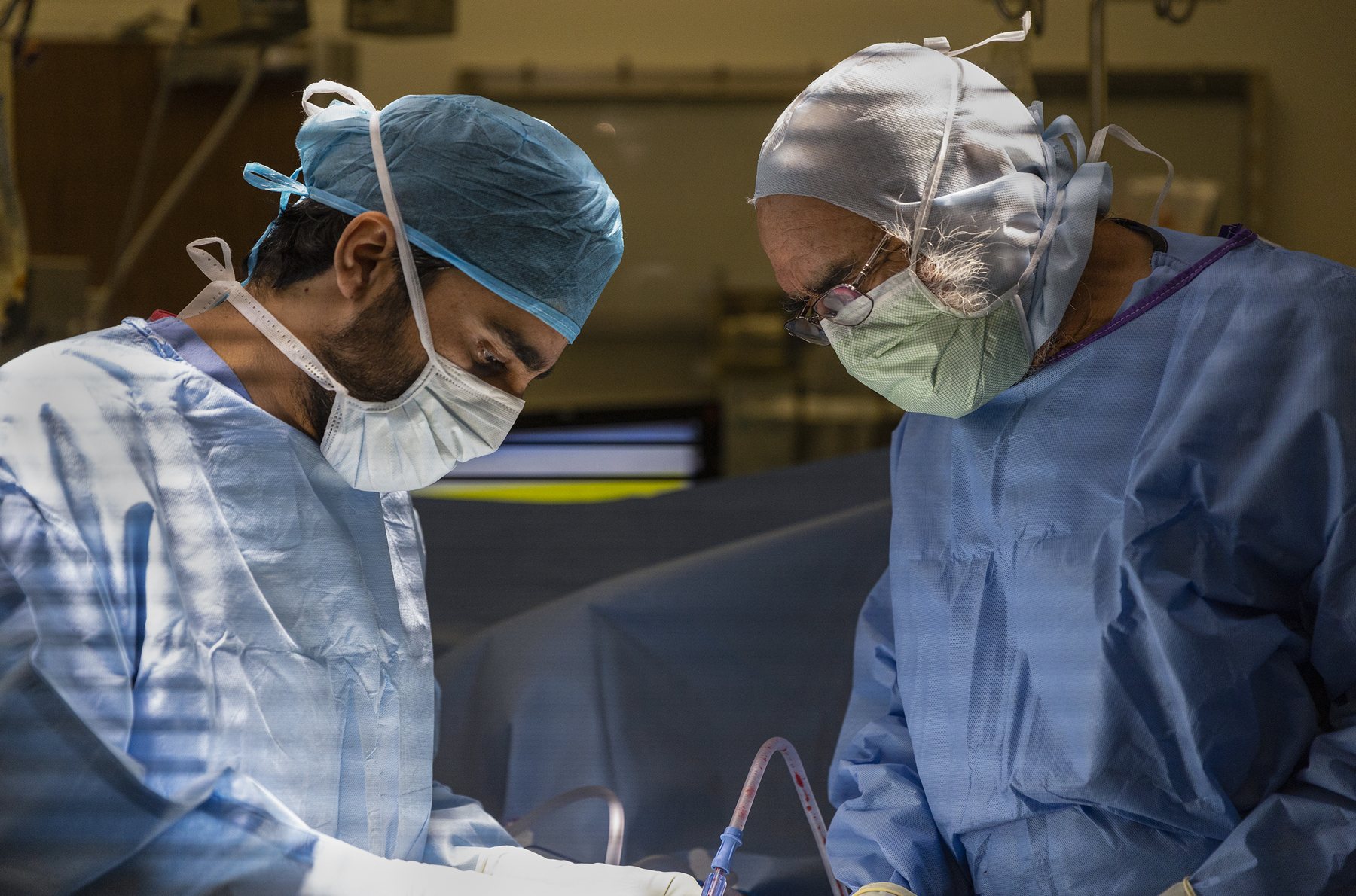
Long Beach Business Journal
A "surreal experience": Father and son surgical team repair spines in Long Beach
The Long Beach Business Journal spent a day in the operating room with Dr. Amandeep Bhalla and his father, Dr. Sarbpaul Bhalla.
May 18, 2022

Becker's Spine Review
Named one of the 150 best spine surgeons in America by Newsweek
Becker's Spine Review reported Newsweek's 2024 list of America's best spine surgeons. Dr. Bhalla is among the surgeons recognized.
June 12, 2024

Long Beach Post
Working to avoid spine injury
Writing for the Long Beach Post, Dr. Bhalla explains why back pain costs American workers 264 million days a year and what to do about it.
April 26, 2019
Newsweek
Trust: How surgeons kept what health care lost
Newsweek's cover story on why patients still trust surgeons opens with Dr. Bhalla in his Long Beach office, talking about honesty, technology and the gift of being trusted.
June 12, 2024
Related services
How we treat it.
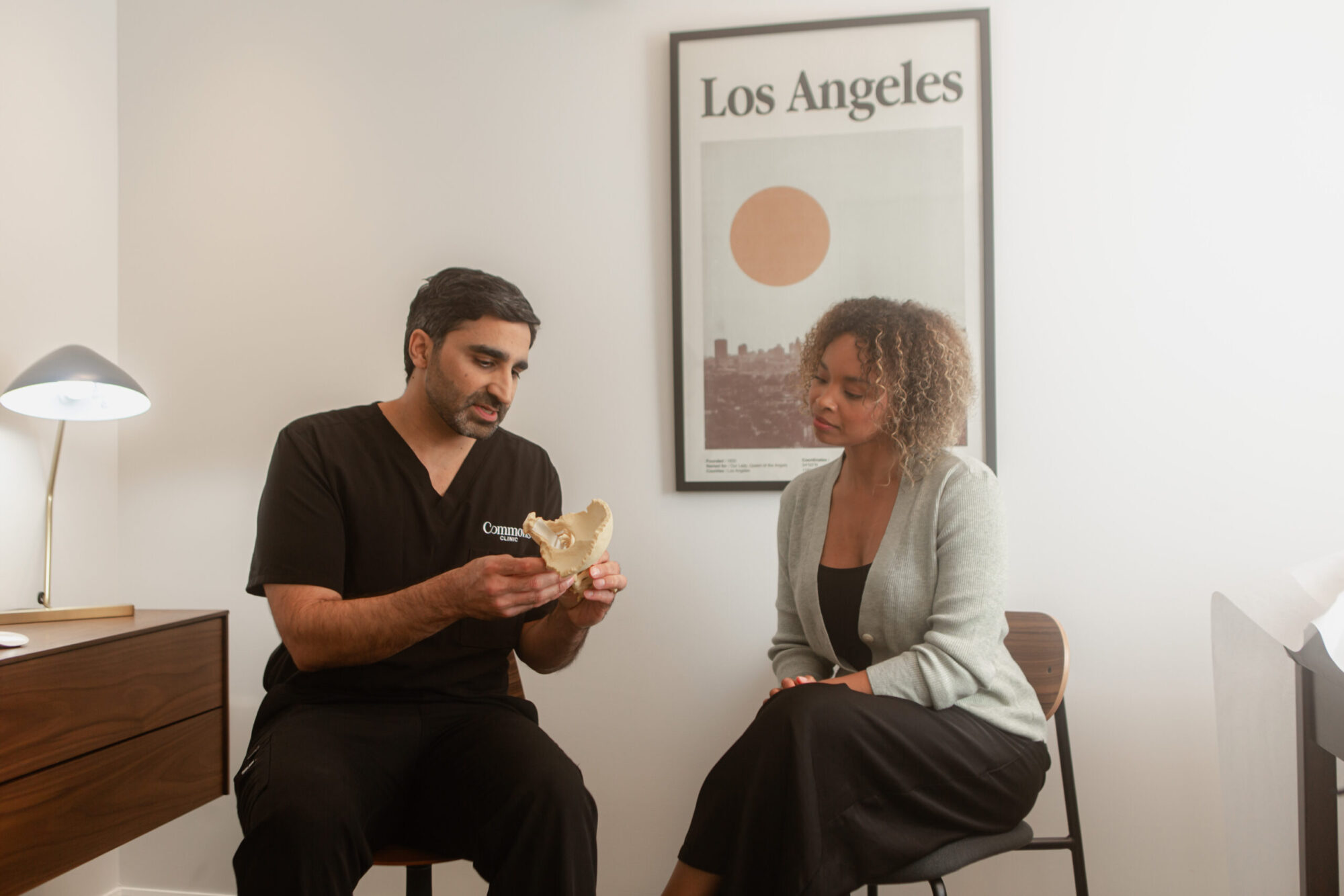
Non-Surgical Care
Evaluation, physical therapy, medication and targeted treatment first. Surgery only when it is truly the answer.
Learn more
Minimally Invasive Spinal Surgery
Small incisions, muscle-sparing tools and faster recovery for the neck and back.
Learn more
Motion Preservation Surgery
Relieve pain while keeping the natural movement of your spine.
Learn more