
Cervical spine · Long Beach, CA
Cervical trauma in Long Beach, CA
Neck injuries range from a muscle strain that settles in days to fractures that threaten the spinal cord. Knowing which you have, quickly, is what matters most.
Cervical trauma care in Long Beach, with patients welcome from across South Bay, Orange County and the greater Los Angeles area.
Overview
What is cervical trauma?
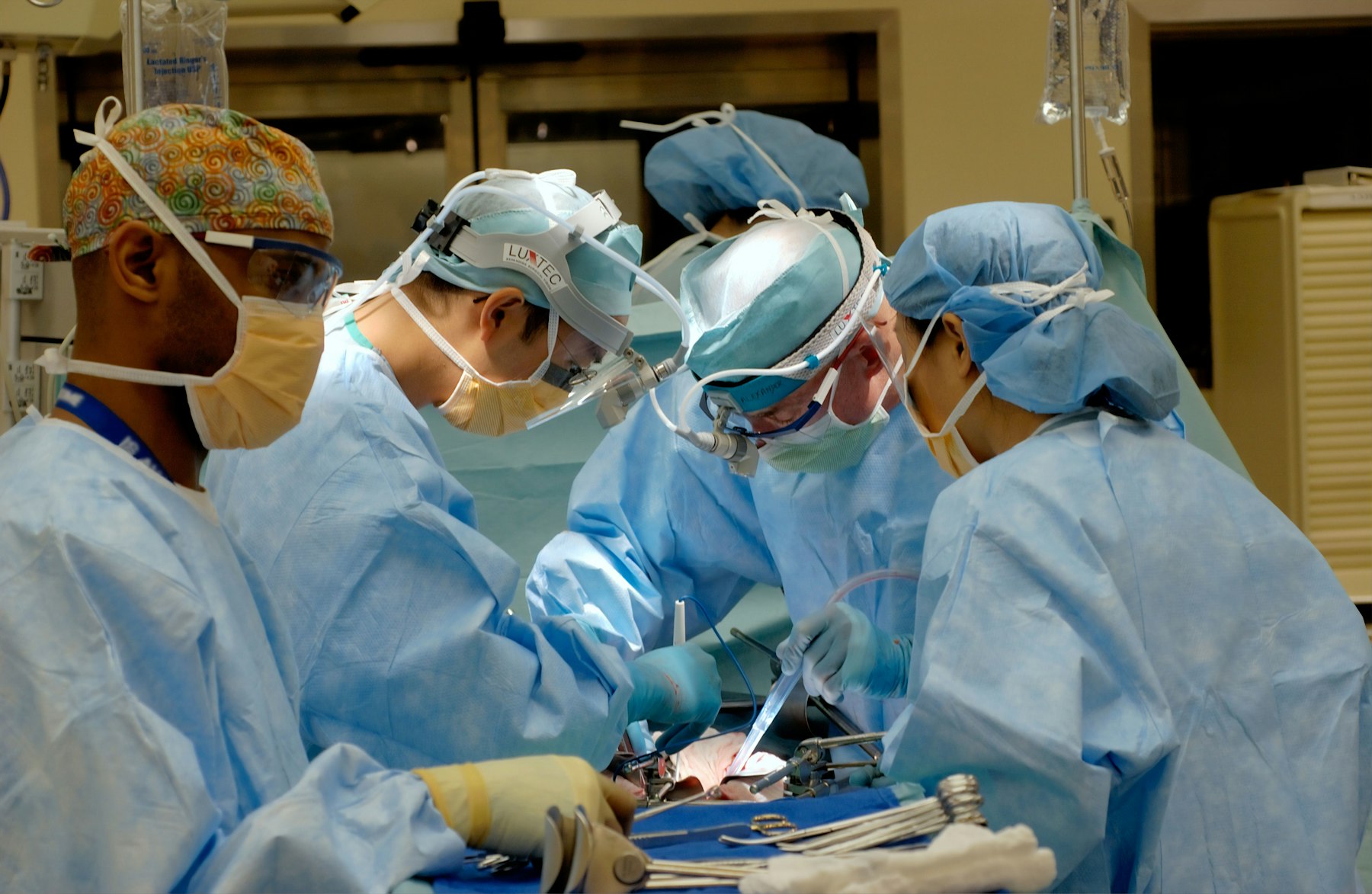
Cervical trauma covers any injury to the bones, discs, ligaments or spinal cord of the neck. The most common are whiplash type sprains from car accidents and falls, which hurt but heal. Less common and more serious are fractures of the vertebrae, torn ligaments that leave the neck unstable, and injuries to the spinal cord itself.
The neck is the most mobile part of the spine and the least protected, which is why it is vulnerable in car accidents, falls, diving and contact sport. In older adults even a simple fall can fracture a vertebra weakened by osteoporosis or arthritis. Dr. Bhalla serves as Vice Chair of Orthopaedic Surgery at MemorialCare Long Beach Medical Center and treats the full range of cervical injuries, from bracing to complex stabilization.
Causes
Common causes
The mechanism of injury tells us a great deal about what structures are likely damaged.
Motor vehicle accidents
The leading cause of serious neck injury, from whiplash sprains to fractures and dislocations.
Falls
The most common cause in older adults, often with fractures of the upper cervical spine.
Sports and diving
Head first impacts in football, rugby, gymnastics and shallow water diving.
Osteoporosis
Weakened bone that fractures with low energy, such as a fall from standing.
Stiff, arthritic spine
A fused or rigid neck, as in ankylosing spondylitis, breaks like a long bone with minor force.
Violence or workplace injury
Direct blows, crush injuries and falls from height.
Symptoms
What to watch for
After a neck injury, these symptoms separate a sprain from something that needs urgent imaging.
Common symptoms
- Neck pain and stiffness after an accident or fall
- Pain that is severe, central and tender over the bones
- Headache at the base of the skull
- Muscle spasm and difficulty turning the head
- Pain, tingling or numbness into the arms
- Dizziness, visual disturbance or trouble swallowing
See a doctor right away if
- Weakness or numbness in the arms or legs after an injury
- Loss of bladder or bowel control
- Severe neck pain after a fall in someone over 65 or with osteoporosis
- Any neck injury with loss of consciousness or a head injury
These can be signs of a problem that needs urgent care. Call (562) 427-8119 or go to the nearest emergency room.
Diagnosis
How we assess it
The first task is to find or rule out an unstable injury. Everything else follows from that.
01/Protect
Immobilize first
Until a serious injury is excluded, the neck is protected in a collar.
02/Examine
Neurological examination
Strength, sensation and reflexes in arms and legs to detect any cord or nerve involvement.
03/Image
CT and MRI
CT is the best test for fractures. MRI shows ligaments, discs and the spinal cord. X rays assess alignment and stability.
04/Plan
Stable or unstable
Dr. Bhalla classifies the injury and explains whether it can heal in a brace or needs surgical stabilization.
Treatment
How it is treated
Most cervical injuries are stable and heal without surgery. Unstable injuries and those compressing the cord are stabilized surgically to protect the nerves and allow early mobility.
First: without surgery
Where almost everyone starts
- Rigid or soft collar for stable fractures and sprains
- Halo vest for selected upper cervical fractures
- Pain management and muscle relaxants
- Physical therapy once healing allows, to restore motion and strength
- Serial X rays to confirm the injury is healing in a good position
When needed: surgery
The least invasive option that will work
- Decompression of the spinal cord or nerves
- Fusion with plates, screws and rods to stabilize unstable segments
- Reduction of dislocations under neuromonitoring
- Minimally invasive posterior fixation where the injury allows

Everyday care
Recovering from a neck injury
Healing bone and ligament takes weeks. These steps protect the repair and help you return to normal life.
- 01Wear the collar exactly as prescribed, including the hours you are told.
- 02Keep follow up imaging appointments. They confirm the injury is healing in position.
- 03Start therapy when cleared. Early guided movement prevents long term stiffness.
- 04Avoid driving until you can turn your head freely and have been cleared.
- 05Address bone health if the fracture happened with a low energy fall.
- 06Report any new arm or leg symptoms immediately.
Questions
Things patients ask about cervical trauma.
If your question is not here, call the office. We are happy to talk it through.
I had whiplash. Do I need an X ray?
Not always. Doctors use clear rules based on your age, the mechanism of injury and your examination to decide who needs imaging. Severe midline tenderness, numbness, age over 65 or a high energy accident all call for a scan.
How long does whiplash take to heal?
Most people improve substantially within a few weeks and recover fully within three months. Staying gently active, rather than resting in a collar, speeds recovery for simple sprains.
Will I need surgery for a fracture?
Many cervical fractures are stable and heal in a collar. Surgery is needed when the injury is unstable, the bones are out of alignment, or the cord or nerves are compressed.
Can I return to sport after a neck injury?
Often, yes, once the injury has healed and strength and motion are restored. Return to contact sport after a fracture or fusion is decided case by case, and Dr. Bhalla will give you a clear answer for your situation.
Near you
Cervical trauma treatment in Long Beach, CA
If you are living with cervical trauma in Long Beach or a nearby city, Dr. Bhalla can examine you, explain your options and plan the least invasive treatment that will work. Dr. Bhalla leads the Spine Center at MemorialCare Long Beach Medical Center.
Most people start with a consultation and imaging. Patients come from Signal Hill, Lakewood, Seal Beach, Orange County and across Southern California.
Patients come to us from
- Long Beach
- Signal Hill
- Lakewood
- Seal Beach
- Los Alamitos
- Cypress
- Bellflower
- Torrance
- Huntington Beach
- Carson
Not on the list? We see patients from across Southern California.
In the news
Dr. Bhalla on this topic.
Los Angeles Business Journal
Los Angeles' Top Doctors: Amandeep Bhalla
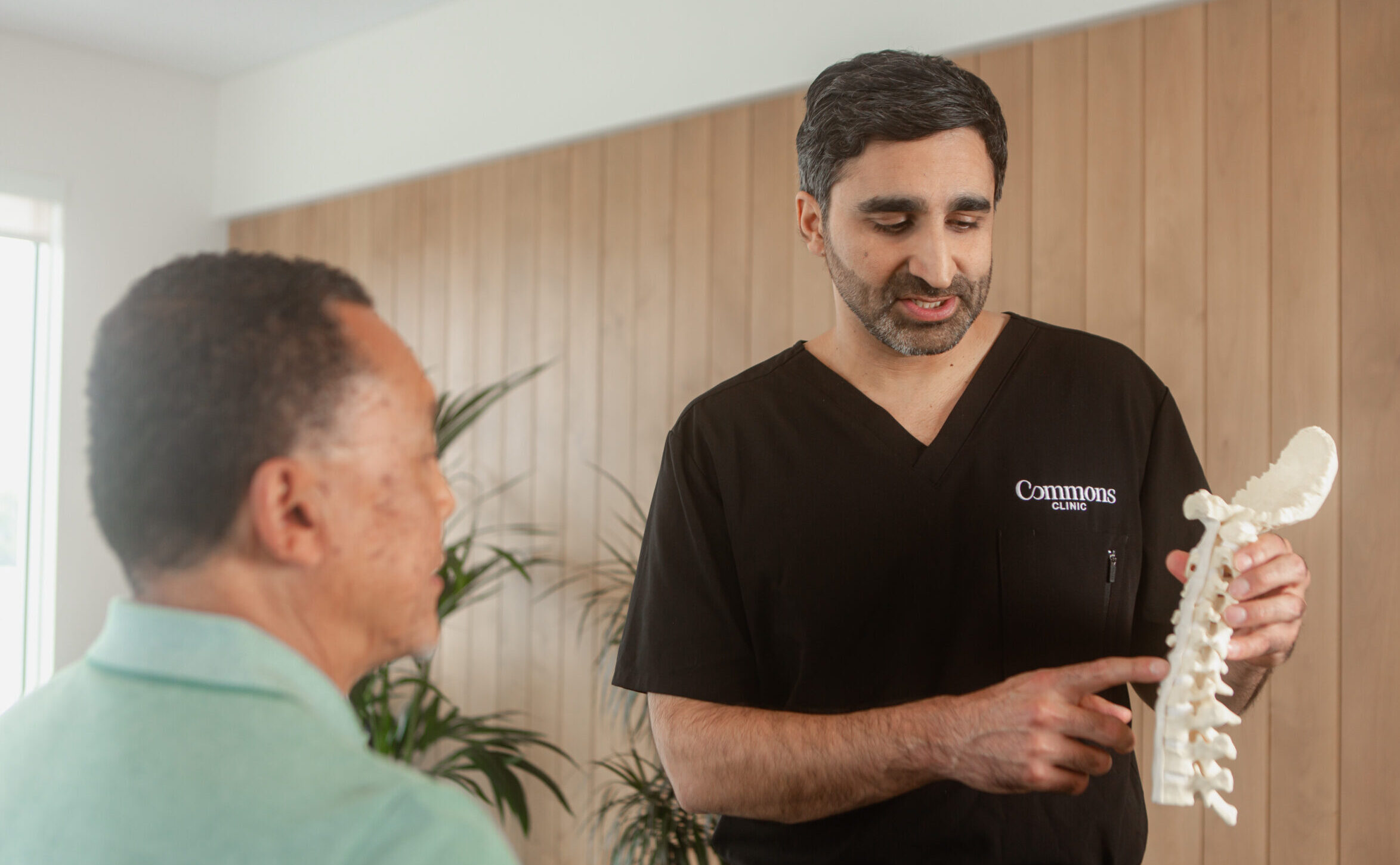
The Los Angeles Business Journal profiled Dr. Bhalla as one of Los Angeles' Top Doctors, a recognition he received in both 2021 and 2022.
2021
Los Angeles Business Journal
Leaders of Influence: Top Los Angeles Doctors
The Los Angeles Business Journal's Leaders of Influence series profiles Dr. Bhalla among the top doctors in Los Angeles, in the field of orthopedics.
2022
PR Newswire
Dr. Amandeep Bhalla named Medical Director of the Spine Center at MemorialCare Long Beach Medical Center
The 2021 announcement, distributed by PR Newswire, of Dr. Bhalla's appointment to lead the Spine Center.
March 3, 2021
Related services
How we treat it.
Non-Surgical Care
Evaluation, physical therapy, medication and targeted treatment first. Surgery only when it is truly the answer.
Learn more
Minimally Invasive Spinal Surgery
Small incisions, muscle-sparing tools and faster recovery for the neck and back.
Learn more
Revision Spinal Surgery
Expert care when a previous spine surgery has not delivered the result you hoped for.
Learn more