What this story covers
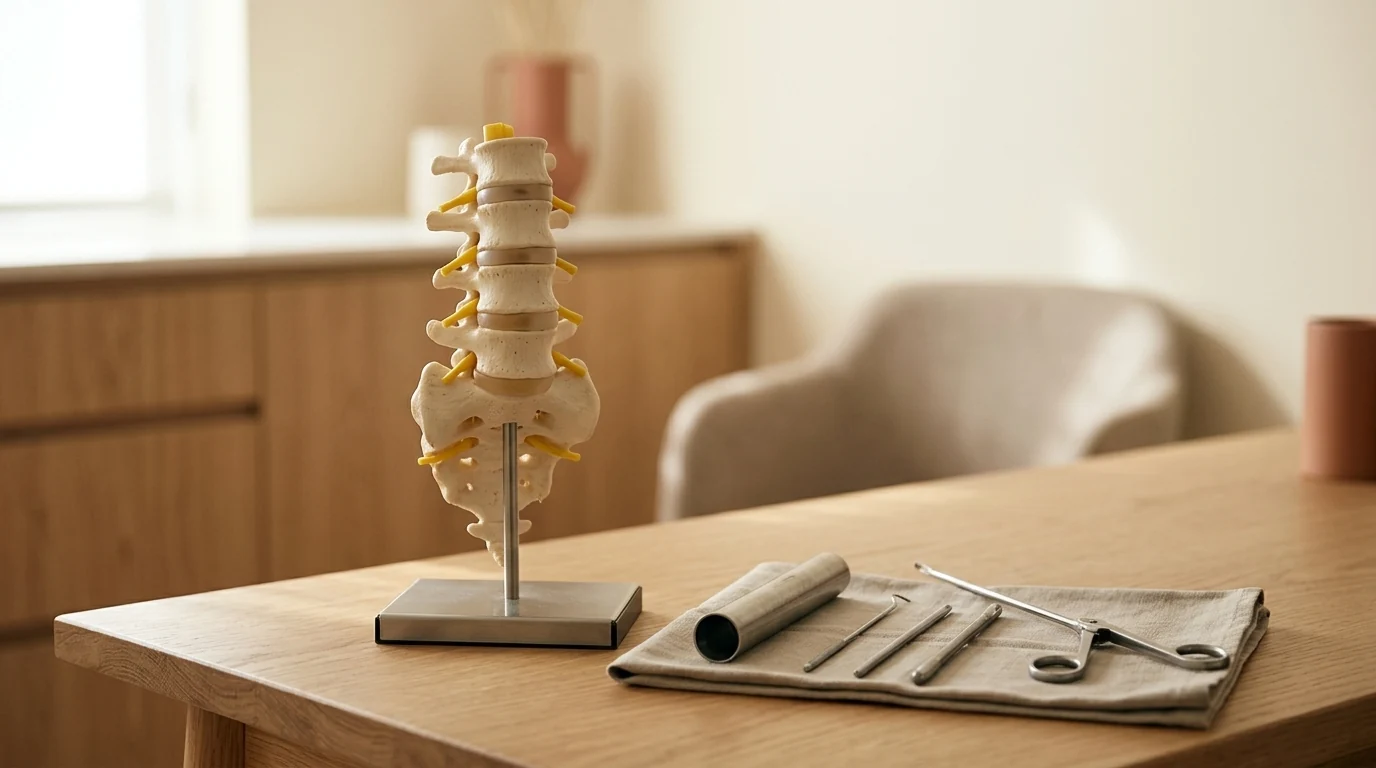
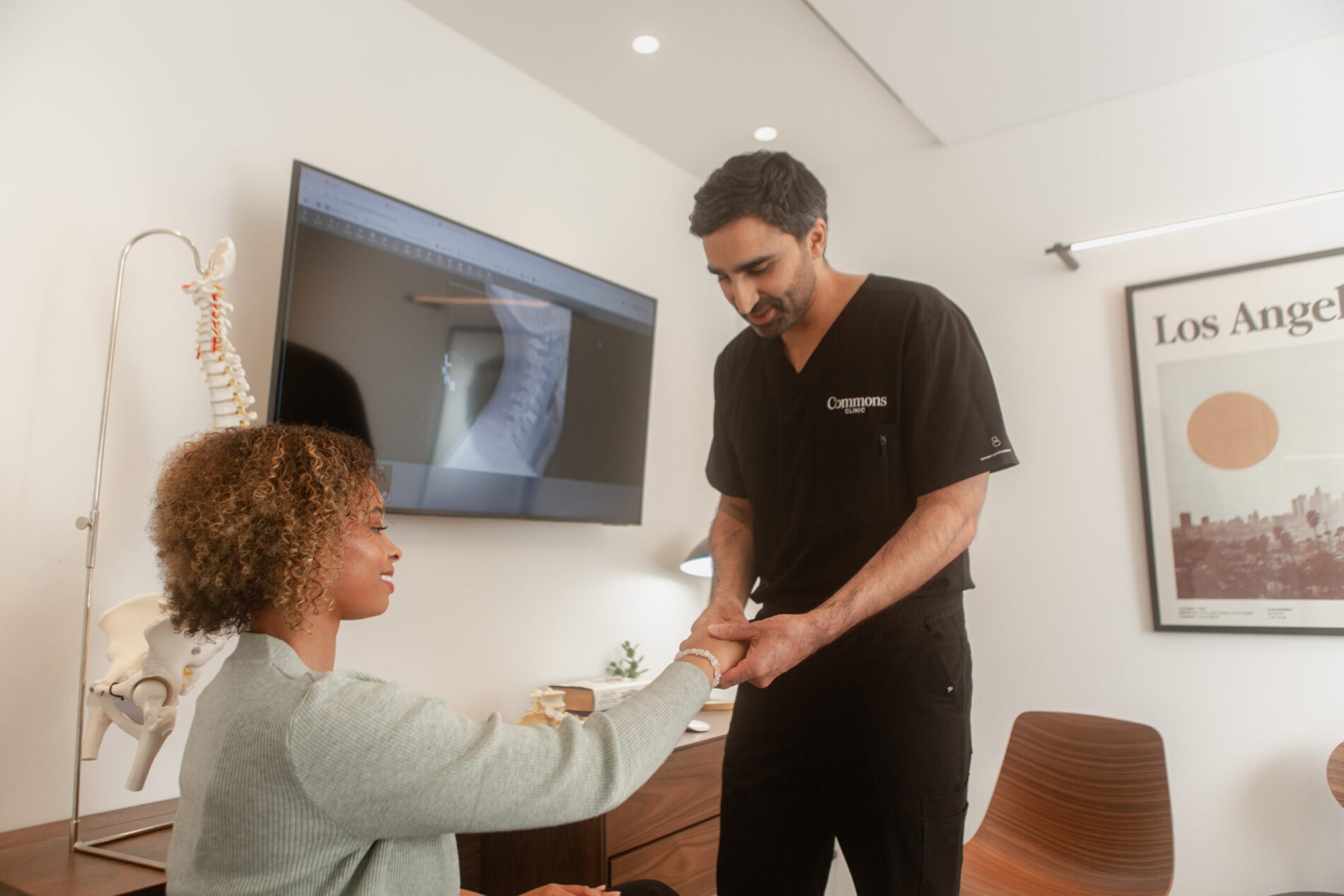
In this episode of MemorialCare's Daily Dose of Wellness podcast, Dr. Bhalla, Medical Director of the Spine Health Center at MemorialCare Long Beach Medical Center, explains image guided spine surgery in plain terms: the patient's own anatomy is projected onto a screen in the operating room so the surgeon can see exactly where every instrument is going.
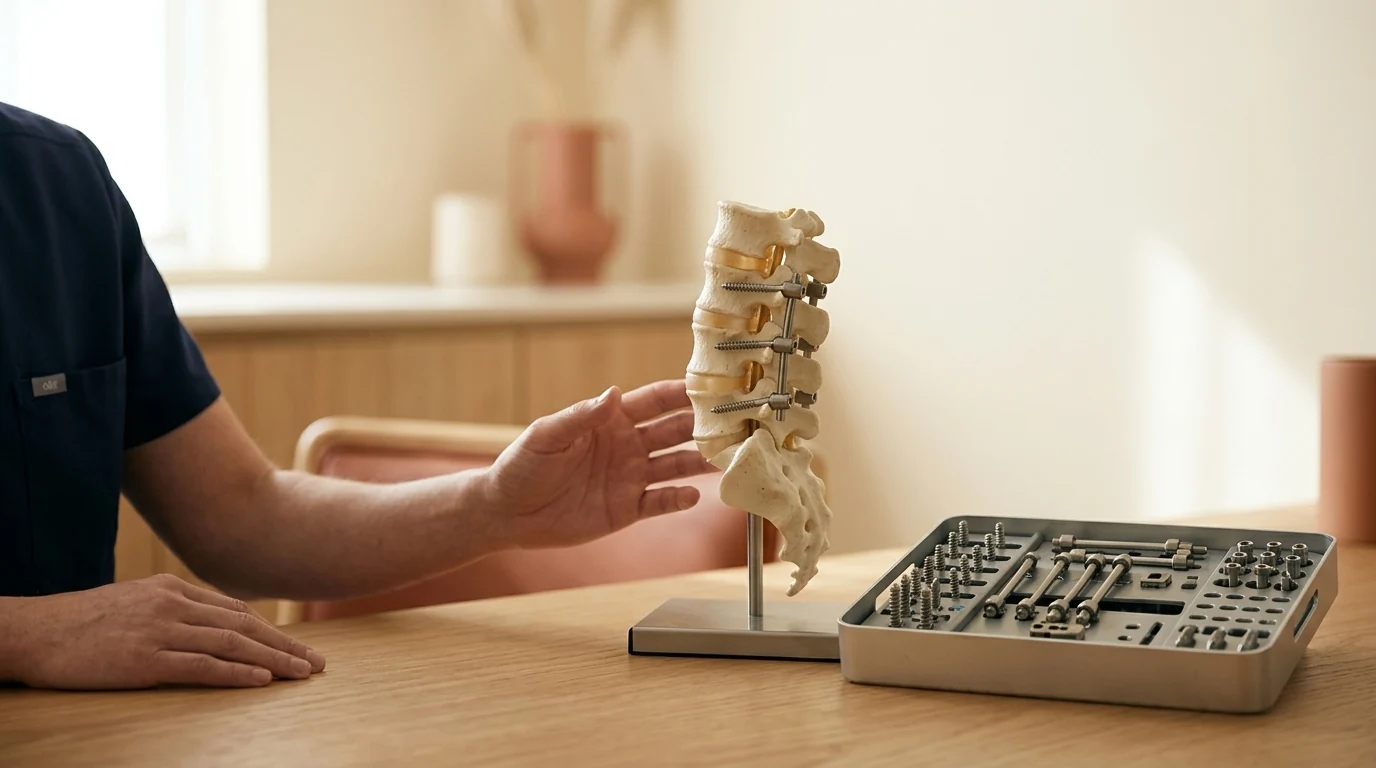
The process starts with a CT scan taken in the operating room once the patient is asleep. Software turns it into a virtual 3D model of the spine that updates in real time, letting the surgeon steer around nerves and vessels and place screws and cages precisely. Better placement means stronger, better positioned hardware, which Dr. Bhalla says may lower the chance of needing another operation later. A well planned procedure also runs faster and more smoothly, with less blood loss, lower infection risk and a quicker recovery.
The Long Beach center offers several platforms, including the O-arm, the ExcelsiusGPS robot and a camera based 7D navigation system, and Dr. Bhalla notes that it leads its region in investment in these tools. Every surgeon trains and demonstrates competency on a platform before using it in a case. Recovery is supported by pre operative education, getting patients up and walking early, often the same day, and therapy teams involved from the start.
"The key is visualization. You can just see more."
Looking ahead, he expects lower radiation doses, smaller equipment and predictive analytics that can estimate how surgery at one level affects the levels around it. His closing advice to patients: research your options and ask your surgeon questions, because an informed patient is a better served patient. Listen to the full episode on the MemorialCare website.
What does image guidance help the surgeon see?
In the MemorialCare interview, Dr. Bhalla explains how the team uses images of your own anatomy as a map during surgery. If an operation is being discussed, ask what navigation is intended to help the team see and where it fits in your procedure.
Explore questions about minimally invasive spine surgery