

Spine conditions · Long Beach, CA
Sacroiliac joint dysfunction in Long Beach, CA
The sacroiliac joints connect your spine to your pelvis. When one of them is irritated or moves abnormally, it causes a low back and buttock pain that is often mistaken for a disc problem.
Sacroiliac joint dysfunction care in Long Beach, with patients welcome from across South Bay, Orange County and the greater Los Angeles area.
Overview
What is sacroiliac joint dysfunction?
You have two sacroiliac (SI) joints, one on each side, where the base of the spine (the sacrum) meets the pelvis. They move only a few millimeters, but they carry the full weight of the upper body and absorb the force of every step. Strong ligaments hold them together.
SI joint dysfunction means the joint has become painful, either because it moves too much (often after pregnancy, injury or a spinal fusion that transfers stress downward) or too little (from arthritis or inflammation). It is responsible for a surprising share of chronic low back pain, up to one in four cases in some studies, and it is frequently overlooked because it mimics lumbar disc and nerve problems.

Causes
Common causes
The SI joint is designed for stability, so anything that changes how it moves or how much load it carries can make it painful.
Injury
A fall onto the buttocks, a car accident or a heavy misstep can strain the ligaments that hold the joint.
Pregnancy and childbirth
Hormones loosen the pelvic ligaments and the joints carry more weight, which can leave lasting instability.
Previous lumbar fusion
When the lower spine is fused, extra motion and load are passed down to the SI joints.
Arthritis
Wear and tear osteoarthritis, or inflammatory arthritis such as ankylosing spondylitis, can affect the joint.
Leg length difference and gait
Uneven leg length, a limp or a hip problem loads one SI joint more than the other.
Repetitive stress
Running, heavy lifting and jobs with constant bending and twisting add up over years.
Symptoms
What it feels like
SI joint pain has a recognizable pattern once you know what to look for.
Common symptoms
- Pain low in the back, just to one side of the midline, over the dimple of the buttock
- Pain spreading into the buttock, groin or back of the thigh, rarely below the knee
- Worse with standing up from sitting, climbing stairs or rolling over in bed
- Worse standing on one leg or stepping up with the painful side
- Difficulty sitting for long periods, especially on the painful side
- A sense of instability or giving way in the pelvis
See a doctor right away if
- Fever with severe buttock or pelvic pain
- Numbness in the groin or loss of bladder or bowel control
- Pain after a serious fall or accident
- Progressive weakness in a leg
These can be signs of a problem that needs urgent care. Call (562) 427-8119 or go to the nearest emergency room.
Diagnosis
How we confirm it
There is no single scan that proves SI joint pain. The diagnosis comes from putting the examination and a diagnostic injection together.
01/Listen
Your pain map
Where you point to the pain and what movements provoke it already separate SI pain from disc pain in many cases.
02/Examine
Provocation tests
A series of specific maneuvers that stress the SI joint. Three or more positive tests strongly suggest the joint is the source.
03/Image
Rule out other causes
X rays and MRI of the lumbar spine and hips to exclude a disc, nerve or hip problem that could mimic SI pain.
04/Confirm
Diagnostic injection
Numbing medicine placed in the joint under imaging. If your pain drops by 75 percent or more, the joint is confirmed as the source.
Treatment
How it is treated
Most SI joint pain settles with targeted therapy and, when needed, injections. For the small group whose pain persists, a minimally invasive fusion can offer lasting relief.
First: without surgery
Where almost everyone starts
- Physical therapy to strengthen the glutes and core and correct movement patterns
- A pelvic belt for short term support during flares
- Anti inflammatory medication
- Image guided steroid injection into the joint
- Radiofrequency ablation of the small nerves that carry pain from the joint
When needed: surgery
The least invasive option that will work
- Minimally invasive SI joint fusion through a small incision
- Titanium implants placed across the joint under navigation
- Outpatient or overnight stay in most cases
- Recommended only after a confirmed diagnosis and a fair trial of conservative care

Everyday care
Caring for your SI joints
The SI joint responds well to strength and good movement habits. These are the ones that help most.
- 01Strengthen your glutes. They are the muscles that stabilize the joint.
- 02Avoid sitting cross legged or with weight shifted onto one hip.
- 03Use both legs evenly on stairs and when stepping up.
- 04Sleep on your side with a pillow between your knees.
- 05Keep hips and hamstrings flexible to reduce pull on the pelvis.
- 06Return to running or impact sport gradually, building strength first.
Questions
Things patients ask about sacroiliac joint dysfunction.
If your question is not here, call the office. We are happy to talk it through.
How is SI joint pain different from a disc problem?
Disc and nerve pain usually travels below the knee and often comes with tingling or numbness. SI joint pain stays in the low back, buttock, groin or upper thigh, is worse with standing up and stairs, and is tender directly over the joint.
Why was it not found earlier?
SI joint pain looks normal on most scans and mimics lumbar problems, so it is often treated as a disc issue first. The diagnosis depends on a hands on examination and a diagnostic injection rather than imaging alone.
Will I need surgery?
Most patients improve with therapy and injections. SI joint fusion is considered when the diagnosis has been confirmed with an injection and pain still limits your life after a proper trial of non surgical care.
What is recovery like after SI joint fusion?
The procedure is minimally invasive, usually outpatient or one night in hospital. Most people walk the same day with a walker or crutches, ease off them over a few weeks, and return to full activity within about three months as the joint fuses.
Near you
Sacroiliac joint dysfunction treatment in Long Beach, CA
If you are living with sacroiliac joint dysfunction in Long Beach or a nearby city, Dr. Bhalla can examine you, explain your options and plan the least invasive treatment that will work. Dr. Bhalla leads the Spine Center at MemorialCare Long Beach Medical Center.
Most people start with a consultation and imaging. Patients come from Signal Hill, Lakewood, Seal Beach, Orange County and across Southern California.
Patients come to us from
- Long Beach
- Signal Hill
- Lakewood
- Seal Beach
- Los Alamitos
- Cypress
- Bellflower
- Torrance
- Huntington Beach
- Carson
Not on the list? We see patients from across Southern California.
Related services
How we treat it.
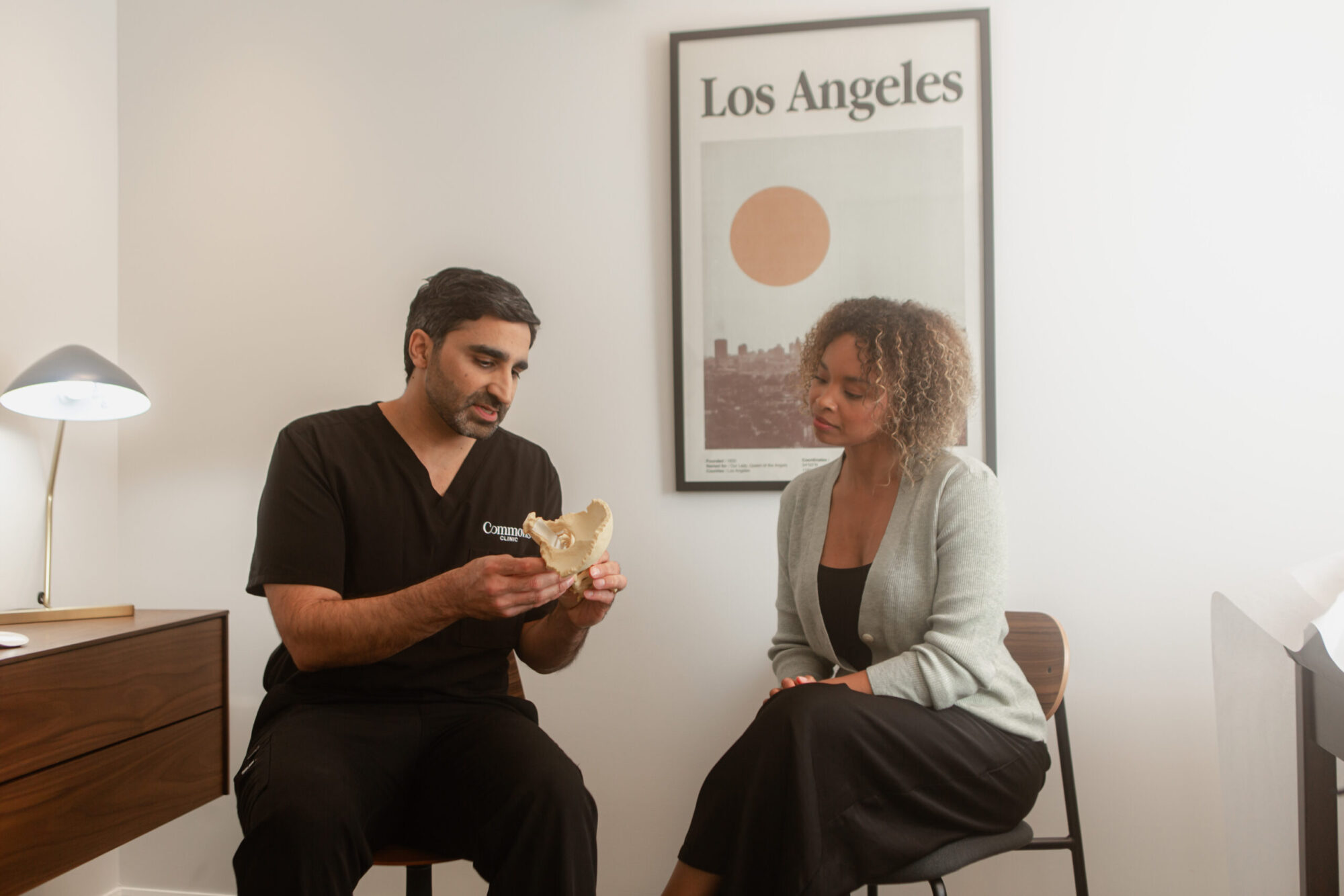
Non-Surgical Care
Evaluation, physical therapy, medication and targeted treatment first. Surgery only when it is truly the answer.
Learn more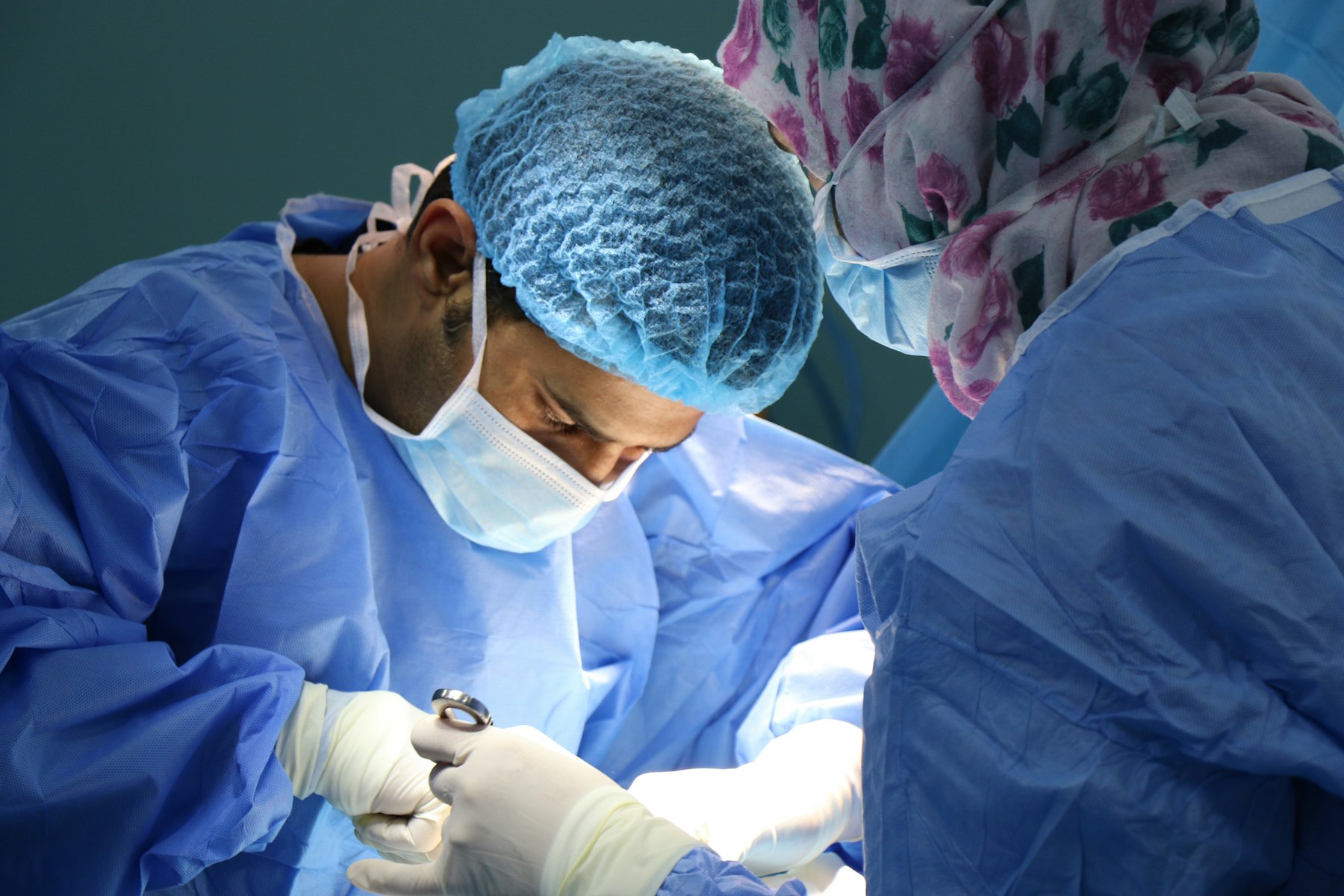
Sacroiliac Joint Minimally Invasive Fusion
A small incision procedure for stubborn low back and buttock pain from the SI joint.
Learn more
Minimally Invasive Spinal Surgery
Small incisions, muscle-sparing tools and faster recovery for the neck and back.
Learn more